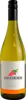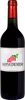
Château CiceronFéroce
 Red wine


In the mouth this red wine is a powerful with a nice balance between acidity and tannins.
This wine generally goes well with beef, veal or pasta.

Taste structure of the Féroce from the Château Ciceron
Light | Bold | |
Smooth | Tannic | |
Dry | Sweet | |
Soft | Acidic |
In the mouth the Féroce of Château Ciceron in the region of Languedoc-Roussillon is a powerful with a nice balance between acidity and tannins.
Food and wine pairings with Féroce
Pairings that work perfectly with Féroce



Original food and wine pairings with Féroce
The Féroce of Château Ciceron matches generally quite well with dishes of beef, pasta or veal such as recipes of beef in white wine, bean soup and spaghetti (traditional andalusian dish) or blanquette of veal in pickle sauce.
Details and technical informations about Château Ciceron's Féroce.
Discover the grape variety: Sauvignonasse
Dry, structured, aromatic whites with a pale golden hue, a broad palate and preserved acidity, featuring fresh almond, pear, apple, citrus, white flowers, cut herbs and mineral notes. Fine ageing potential. Star of Friuli Colli Orientali DOC and Collio DOC as Friulano (emblem of Friuli). Also grown in Chile (Sauvignon Vert) and Slovenia. Native south-west variety, long confused with sauvignon blanc.
Last vintages of this wine
The best vintages of Féroce from Château Ciceron are 0
Informations about the Château Ciceron
The Château Ciceron is one of of the world's greatest estates. It offers 34 wines for sale in the of Languedoc-Roussillon to come and discover on site or to buy online.

The wine region of Languedoc-Roussillon
Largest single French vineyard, dominated by sunny, generous reds. Spicy Syrah, candied Grenache (ripe fruit, garrigue), structured Carignan, deep Mourvèdre, supple Cinsault. Stars: structured Corbières, Minervois, Faugères, Saint-Chinian; round Côtes-du-Roussillon. Legendary vins doux naturels: Banyuls and Maury (fortified Grenache) with notes of cocoa, fig, prune.
The word of the wine: Sulphur
An antiseptic and antioxidant substance known since antiquity, probably already used by the Romans. But it was only in modern times that its use was rediscovered. It will allow a better conservation of the wine and thus favour its export. Sulphur also gave the 18th century winegrower the possibility of extending the maceration period without fearing that the wine would turn sour and thus go from dark rosé wines to the red wines of today. Excessive sulphur, on the other hand, kills happiness, paralysing the aromas and causing headaches.