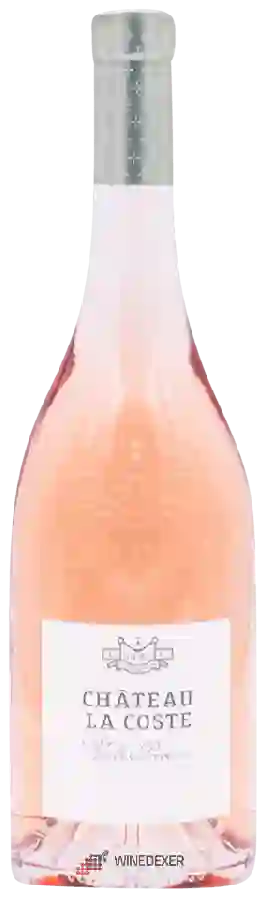
Château La CosteProvence Rosé
 Pink wine



In the mouth this pink wine is a with a nice freshness.
This wine generally goes well with pork, vegetarian or poultry.

Taste structure of the Provence Rosé from the Château La Coste
Light | Bold | |
Dry | Sweet | |
Soft | Acidic |
In the mouth the Provence Rosé of Château La Coste in the region of Provence is a with a nice freshness.
Food and wine pairings with Provence Rosé
Pairings that work perfectly with Provence Rosé



Original food and wine pairings with Provence Rosé

The Provence Rosé of Château La Coste matches generally quite well with dishes of pork, shellfish or vegetarian such as recipes of truffade (auvergne - cantal - 15), marmite dieppoise or quiche without pastry, courgette and blue cheese.
Details and technical informations about Château La Coste's Provence Rosé.
Discover the grape variety: Primitivo
Powerful, sun-drenched reds with a dark robe and generous alcohol, showing aromas of stewed blackberry, stewed plum, dried fig, chocolate, gentle spice and balsamic notes. Supple tannins, indulgent finish. Star of Puglia with Primitivo di Manduria DOC, Gioia del Colle DOC and Salice Salentino. Identical to American Zinfandel and Croatian Crljenak Kaštelanski by DNA analysis.
Last vintages of this wine
The best vintages of Provence Rosé from Château La Coste are 2019
Informations about the Château La Coste
The Château La Coste is one of of the world's great estates. It offers 31 wines for sale in the of Provence to come and discover on site or to buy online.

The wine region of Provence
World capital of dry, refined rosé (~90% of production). Pale rose-petal colour, delicate nose of fresh red fruits (strawberry, raspberry, redcurrant), citrus (pink grapefruit), white flowers and a mineral touch, taut and thirst-quenching palate — the Mediterranean aperitif par excellence. Blends of Grenache, Cinsault, Syrah, Tibouren and Mourvèdre. Fleshy Bandol reds from Mourvèdre (leather, garrigue, age-worthy), straight Cassis whites.
The word of the wine: Mineral
Taste reminiscent of gunflint, chalk and many nuances of the mineral world, and reinforcing, especially in white wines, the notion of freshness and the sappy character.