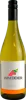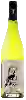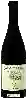
Château CoujanDernière Cueillette à Coujan
 White wine
In the mouth this white wine is a .
This wine generally goes well with vegetarian, poultry or lean fish.
Taste structure of the Dernière Cueillette à Coujan from the Château Coujan
Light | Bold | |
Dry | Sweet | |
Soft | Acidic |
In the mouth the Dernière Cueillette à Coujan of Château Coujan in the region of Languedoc-Roussillon is a .
Food and wine pairings with Dernière Cueillette à Coujan
Pairings that work perfectly with Dernière Cueillette à Coujan



Original food and wine pairings with Dernière Cueillette à Coujan


The Dernière Cueillette à Coujan of Château Coujan matches generally quite well with dishes of pasta, vegetarian or poultry such as recipes of pasta with chicken, peppers and mushrooms, vegan leek and tofu quiche or tuna nuggets.
Details and technical informations about Château Coujan's Dernière Cueillette à Coujan.
Discover the grape variety: Petit Manseng
Petit Manseng is a white grape variety of Pyrenean origin. Its small berries have a hard, well-ventilated skin, which allows Petit Manseng to resist grey rot. On the other hand, this variety is very sensitive to noble rot, which concentrates the aromas and makes it possible to produce remarkable sweet wines with flavours of exotic fruits, grapefruit, honey, gingerbread, etc. Rich in alcohol and acidity, these wines are very well balanced and very fine. petit manseng also produces fruity dry white wines. It is also used in the AOC Béarn, Jurançon, Pacherenc-du-Vic-Bilh, Tursan...
Informations about the Château Coujan
The Château Coujan is one of of the world's great estates. It offers 16 wines for sale in the of Languedoc-Roussillon to come and discover on site or to buy online.

The wine region of Languedoc-Roussillon
Languedoc (formerly Coteaux du Languedoc) is a key appellation used in the Languedoc-Roussillon wine region of southern France. It covers Dry table wines of all three colors (red, white and rosé) from the entire region, but leaves Sweet and Sparkling wines to other more specialized appellations. About 75% of all Languedoc wines are red, with the remaining 25% split roughly down the middle between whites and rosés. The appellation covers most of the Languedoc region and almost a third of all the vineyards in France.
The word of the wine: Maceration
Prolonged contact and exchange between the juice and the grape solids, especially the skin. Not to be confused with the time of fermentation, which follows maceration. The juice becomes loaded with colouring matter and tannins, and acquires aromas. For a rosé, the maceration is short so that the colour does not "rise" too much. For white wines too, a "pellicular maceration" can be practised, which allows the wine to acquire more fat.