Winery CessenonSaint-Chinian
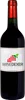
 Red wine


In the mouth this red wine is a powerful with a nice freshness.
This wine generally goes well with beef, veal or pasta.

Taste structure of the Saint-Chinian from the Winery Cessenon
Light | Bold | |
Smooth | Tannic | |
Dry | Sweet | |
Soft | Acidic |
In the mouth the Saint-Chinian of Winery Cessenon in the region of Languedoc-Roussillon is a powerful with a nice freshness.
Food and wine pairings with Saint-Chinian
Pairings that work perfectly with Saint-Chinian



Original food and wine pairings with Saint-Chinian
The Saint-Chinian of Winery Cessenon matches generally quite well with dishes of beef, pasta or veal such as recipes of express veal stew in a pressure cooker, saffron pasta with prawns or capon stuffed with morels.
Details and technical informations about Winery Cessenon's Saint-Chinian.
Discover the grape variety: Blancard
Simple dry whites with a pale golden robe, a supple palate with moderate acidity and understated aromas of citrus and white flowers. Discreet rustic profile. Now almost extinct, preserved in INRAE varietal collections, it bears witness to the pre-phylloxera ampelographic diversity of the South-West vineyard and belongs to the heritage grape varieties being studied. Rare French white grape, once cultivated in the South-West.
Last vintages of this wine
The best vintages of Saint-Chinian from Winery Cessenon are 0, 2017
Informations about the Winery Cessenon
The Winery Cessenon is one of of the world's greatest estates. It offers 44 wines for sale in the of Saint-Chinian Berlou to come and discover on site or to buy online.

The wine region of Saint-Chinian Berlou
Communal AOC of Saint-Chinian in the Languedoc (Hérault, ~250 ha on Cévennes schist, 150–400 m south-facing, 800 classified parcels, communal AOC 2005): Carignan (42%) and Grenache (21%) are the signature reds on schist — deep-coloured with violet hints, explosive nose of liquorice and fine spices (cinnamon, cocoa), ample velvety mouth with fine tannins. Cinsault (15%), Syrah (10%) and Mourvèdre as complements; 2–5 years ageing, mineral terroir.
The wine region of Languedoc-Roussillon
Largest single French vineyard, dominated by sunny, generous reds. Spicy Syrah, candied Grenache (ripe fruit, garrigue), structured Carignan, deep Mourvèdre, supple Cinsault. Stars: structured Corbières, Minervois, Faugères, Saint-Chinian; round Côtes-du-Roussillon. Legendary vins doux naturels: Banyuls and Maury (fortified Grenache) with notes of cocoa, fig, prune.
The word of the wine: Stripped
Said of a wine that is generally too old and has lost its colour, volume and power.