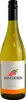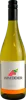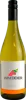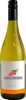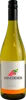
Winery CesaroniVerdicchio Classico
 White wine



In the mouth this white wine is a powerful with a nice freshness.
This wine generally goes well with vegetarian, appetizers and snacks or lean fish.

Taste structure of the Verdicchio Classico from the Winery Cesaroni
Light | Bold | |
Dry | Sweet | |
Soft | Acidic |
In the mouth the Verdicchio Classico of Winery Cesaroni in the region of Marche is a powerful with a nice freshness.
Food and wine pairings with Verdicchio Classico
Pairings that work perfectly with Verdicchio Classico



Original food and wine pairings with Verdicchio Classico


The Verdicchio Classico of Winery Cesaroni matches generally quite well with dishes of pasta, vegetarian or appetizers and snacks such as recipes of pasta with shrimp, spinach and goat cheese quiche or christmas boots in knacki.
Details and technical informations about Winery Cesaroni's Verdicchio Classico.
Discover the grape variety: Arandell
Colourful and fruity reds with a deep purple hue, supple tannins and an airy palate with preserved acidity, featuring signature aromas of red fruits (cherry) and dark fruits (blackberry). Early-ripening and disease-resistant. Grown in the north-eastern USA, it represents the new generation of hybrid varieties adapted to northern continental wine-growing climates. American black hybrid variety obtained in 2013 by Cornell University, a disease-resistant cross.
Last vintages of this wine
The best vintages of Verdicchio Classico from Winery Cesaroni are 2017, 0
Informations about the Winery Cesaroni
The Winery Cesaroni is one of of the world's greatest estates. It offers 14 wines for sale in the of Marche to come and discover on site or to buy online.

The wine region of Marche
Italian star of Verdicchio: exceptional age-worthy whites, straight and mineral with signature notes of green almond, lemon, green apple, dry herbs and a slightly bitter finish. Two DOCGs: Castelli di Jesi (coastal, airy) and Matelica (inland, more concentrated). Mediterranean reds: fleshy Montepulciano in Rosso Conero near Ancona, supple Sangiovese. Also fresh Pecorino and Passerina.
The word of the wine: Red winemaking
Transformation of grapes into must and wine under the effect of alcoholic fermentation. The vinification of red wines takes place in several stages: destemming, crushing, alcoholic fermentation, vatting, running off and maturing.