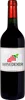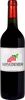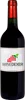
Cave de la TourLa Bête Noire
 Red wine


This wine is a blend of 3 varietals which are the Cabernet-Jura, the Cabernet-Sauvignon and the Regent.
This wine generally goes well with poultry, beef or lamb.
The La Bête Noire of the Cave de la Tour is in the top 5 of wines of Vully.

Food and wine pairings with La Bête Noire
Pairings that work perfectly with La Bête Noire



Original food and wine pairings with La Bête Noire

The La Bête Noire of Cave de la Tour matches generally quite well with dishes of beef, lamb or spicy food such as recipes of kafta bil saniyeh (lebanese dish), lamb roast with lavender or moroccan veal tagine from hanane.
Details and technical informations about Cave de la Tour's La Bête Noire.
Discover the grape variety: Cabernet-Jura
Coloured, structured reds with a deep ruby robe, firm tannins and fresh acidity, showing aromas of blackcurrant, blackberry, red pepper, spices, herbs and balsamic notes evoking cabernet sauvignon. Disease-resistant interspecific variety (mildew and powdery mildew), driving force of organic vineyards in northern Europe: Switzerland, Germany, Belgium, Netherlands, UK and Denmark. Hybrid created in the 1990s by Valentin Blattner in Soyhières (Swiss Jura).
Last vintages of this wine

The best vintages of La Bête Noire from Cave de la Tour are 2015, 0, 2018
Informations about the Cave de la Tour
The Cave de la Tour is one of of the world's greatest estates. It offers 13 wines for sale in the of Vully to come and discover on site or to buy online.

The wine region of Vully
Smallest wine region in Switzerland (~150 ha), only intercantonal AOC Vaud-Fribourg, north-west shores of Lake Morat. Signature Chasselas as king white: fine and delicate with white flowers, citrus, green apple, sweet almond and a lakeside mineral touch, taut refreshing palate — quintessential Swiss aperitif. Aerial Pinot Noir (cherry, raspberry), supple Gamay, floral Müller-Thurgau, aromatic Traminer, local Freiburger specialty. Chiselled wines.
The wine region of Neuchâtel
Swiss vineyard on the western shore of the lake, 606 ha in the Three Lakes region. Signature Pinot Noir (55% of the vineyard, the local prince): fine, fresh reds with notes of cherry, raspberry, undergrowth and sweet spices, silky tannins. Specialty invented here: Œil-de-Perdrix, a delicate Pinot Noir rosé with salmon hues. Lively, mineral Chasselas (citrus, flint) in white, including the identity-marking Non-Filtré primeur.
The word of the wine: Fade
Wine lacking in sapidity, flat, soft and without character.