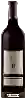
Cave BCavewoman White
 White wine



This wine generally goes well with pork, vegetarian or poultry.
Wine flavors and olphactive analysis

Food and wine pairings with Cavewoman White
Pairings that work perfectly with Cavewoman White



Original food and wine pairings with Cavewoman White

The Cavewoman White of Cave B matches generally quite well with dishes of pork, rich fish (salmon, tuna etc) or vegetarian such as recipes of salty crumble with courgettes, goat cheese and bacon, raw salmon marinade with vinegars or leek, goat cheese and bacon quiche.
Details and technical informations about Cave B's Cavewoman White.
Discover the grape variety: Chardonnay
The white Chardonnay is a grape variety that originated in France (Burgundy). It produces a variety of grape specially used for wine making. It is rare to find this grape to eat on our tables. This variety of grape is characterized by small bunches, and small grapes. White Chardonnay can be found in many vineyards: South West, Burgundy, Jura, Languedoc & Roussillon, Cognac, Bordeaux, Beaujolais, Savoie & Bugey, Loire Valley, Champagne, Rhone Valley, Armagnac, Lorraine, Alsace, Provence & Corsica.
Last vintages of this wine
The best vintages of Cavewoman White from Cave B are 0
Informations about the Cave B
The Cave B is one of of the world's great estates. It offers 35 wines for sale in the of Ancient Lakes of Columbia Valley to come and discover on site or to buy online.

The wine region of Ancient Lakes of Columbia Valley
The wine region of Ancient Lakes of Columbia Valley is located in the region of Columbia Valley of Washington of United States. Wineries and vineyards like the Domaine Milbrandt Vineyards or the Domaine Efestē produce mainly wines white, red and pink. The most planted grape varieties in the region of Ancient Lakes of Columbia Valley are Riesling, Chardonnay and Cabernet-Sauvignon, they are then used in wines in blends or as a single variety. On the nose of Ancient Lakes of Columbia Valley often reveals types of flavors of non oak, earth or microbio and sometimes also flavors of vegetal, oak or tree fruit.
The wine region of Washington
Washington State is located in the Pacific Northwest of the United States, immediately north of Oregon. Although the history of the wine industry is relatively Short, Washington's 900-plus wineries and 350-plus independent winemakers, with more than 50,000 acres of vineyards, now produce more wine than any other state except California. Almost all wine production is in the hot, desert-like eastern Part of Washington, although there is some Grape growing and an AVA (Puget Sound) in the cooler, wetter west. White Chardonnay and Riesling grapes, and red Merlot, Cabernet Sauvignon and Syrah grapes are the main varieties grown in Washington, but the region produces quality wines from nearly 70 different grape varieties.
The word of the wine: Chaptalization
The addition of sugar at the time of fermentation of the must, an ancient practice, but theorized by Jean-Antoine Chaptal at the dawn of the 19th century. The sugar is transformed into alcohol and allows the natural degree of the wine to be raised in a weak or cold year, or - more questionably - when the winegrower has a harvest that is too large to obtain good maturity.