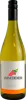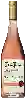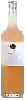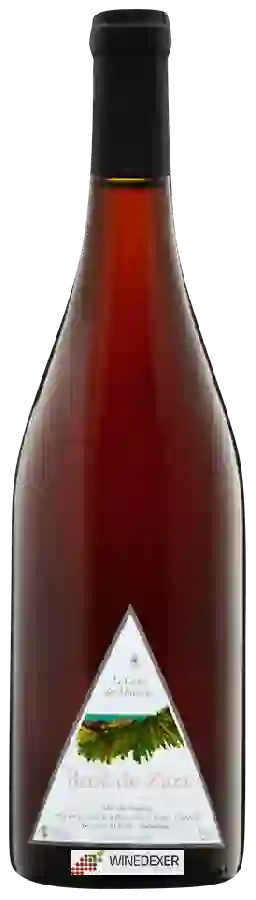
Domaine le Casot des MaillolesRosé de Zaza
 Pink wine


This wine generally goes well with beef, lamb or mature and hard cheese.

Food and wine pairings with Rosé de Zaza
Pairings that work perfectly with Rosé de Zaza



Original food and wine pairings with Rosé de Zaza

The Rosé de Zaza of Domaine le Casot des Mailloles matches generally quite well with dishes of beef, lamb or spicy food such as recipes of fillet of beef in a foie gras and truffle crust, lamb epigram in spicy sauce or shrimp in coconut milk curry.
Details and technical informations about Domaine le Casot des Mailloles's Rosé de Zaza.
Discover the grape variety: Riesling
Crystalline, taut whites with vibrant acidity and aromas of citrus, green apple, white flowers, vineyard peach and mineral/petrol notes with age. Made as dry (Trocken, Alsace), off-dry (Kabinett, Spätlese) and sweet (Auslese, Beerenauslese, Trockenbeerenauslese, late harvest). Star of the Moselle, Rheingau, Alsace AOC and Wachau. Also exported to Clare Valley and Finger Lakes.
Last vintages of this wine
The best vintages of Rosé de Zaza from Domaine le Casot des Mailloles are 2016, 2018
Informations about the Domaine le Casot des Mailloles
The Domaine le Casot des Mailloles is one of of the world's greatest estates. It offers 16 wines for sale in the of Vin de France to come and discover on site or to buy online.

The wine region of Vin de France
The freest category of French wine, the playground of winemakers working outside the AOC. All styles combined: fruity reds, lively or ambitious whites, everyday rosés, unusual blends, natural wines, atypical grapes (Petit Manseng in Languedoc, Riesling in Provence), experimental winemaking (skin-contact whites, no sulphur). Grape and vintage labelling allowed, no geographic constraint. From the pop, convivial cuvée to the artisan gem: freedom in a bottle.
The word of the wine: Rafle (taste of)
A taste considered a defect, characterized by an unpleasant astringency and bitterness, brought by the stalk during the vinification process. In order to avoid it, destemming before vinification is a common practice.