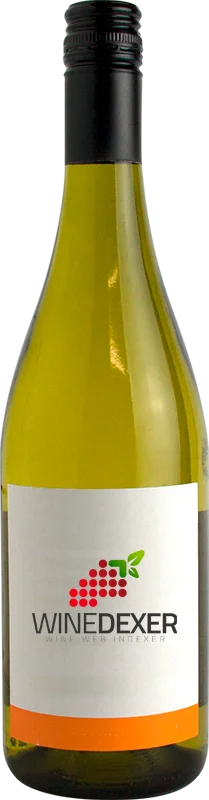
Winery Casal FreitasBranco
 White wine



This wine is a blend of 2 varietals which are the Chardonnay and the Fernao Pires.
In the mouth this white wine is a .
This wine generally goes well with pork, lean fish or shellfish.

Taste structure of the Branco from the Winery Casal Freitas
Light | Bold | |
Dry | Sweet | |
Soft | Acidic |
In the mouth the Branco of Winery Casal Freitas in the region of Península de Setúbal is a .
Food and wine pairings with Branco
Pairings that work perfectly with Branco



Original food and wine pairings with Branco

The Branco of Winery Casal Freitas matches generally quite well with dishes of pasta, pork or shellfish such as recipes of pasta with chicken, basque piperade or sea sauerkraut with white wine.
Details and technical informations about Winery Casal Freitas's Branco.
Discover the grape variety: Chardonnay
Whites with many faces: mineral and taut at Chablis (lemon, green apple, flint), opulent and buttery at Meursault and Puligny-Montrachet (hazelnut, brioche, yellow fruits), tense and chalky in Champagne (Blanc de Blancs). Also vinified sparkling and widely exported (Sonoma, Margaret River, Casablanca). A Burgundian variety, a cross of Pinot Noir × Gouais Blanc, half-sibling of Aligoté.
Last vintages of this wine
The best vintages of Branco from Winery Casal Freitas are 2015, 0
Informations about the Winery Casal Freitas
The Winery Casal Freitas is one of of the world's greatest estates. It offers 5 wines for sale in the of Península de Setúbal to come and discover on site or to buy online.

The wine region of Península de Setúbal
Portuguese peninsula south of Lisbon between the Tagus and Sado estuaries. World-renowned speciality: Moscatel de Setúbal, a golden fortified sweet wine with signature notes of candied orange, dried apricot, honey, fig, currant and sweet spices, long ageing — the rare Roxo version has more floral notes. Also fruity, supple Castelão reds (64%) (blackberry, plum), perfumed Touriga Nacional. Oceanic climate.
The word of the wine: Clone
A vine propagated from a single specimen (by cuttings or grafting), as opposed to mass selection, which starts from a family of vines.


