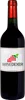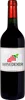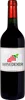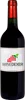
Winery Cantina di BarròMayolet
 Red wine



In the mouth this red wine is a powerful.
This wine generally goes well with beef, game (deer, venison) or lamb.
Taste structure of the Mayolet from the Winery Cantina di Barrò
Light | Bold | |
Smooth | Tannic | |
Dry | Sweet | |
Soft | Acidic |
In the mouth the Mayolet of Winery Cantina di Barrò in the region of Valle d'Aosta is a powerful.
Food and wine pairings with Mayolet
Pairings that work perfectly with Mayolet



Original food and wine pairings with Mayolet

The Mayolet of Winery Cantina di Barrò matches generally quite well with dishes of beef, pasta or lamb such as recipes of beef stew express, pasta with broccoli or giouvetsi (greek dish).
Details and technical informations about Winery Cantina di Barrò's Mayolet.
Discover the grape variety: Picolit blanc
A very old grape variety, probably already known to the Romans, and most certainly of Italian origin, from Friuli to be precise. The Hungarian Keknyelu is said to be the same variety, but this remains to be confirmed. It is almost unknown in France and even in the wine world, perhaps because of its low production and its sensitivity to various diseases. It should be noted that it is not related to the black picolit.
Last vintages of this wine
The best vintages of Mayolet from Winery Cantina di Barrò are 0
Informations about the Winery Cantina di Barrò
The Winery Cantina di Barrò is one of of the world's greatest estates. It offers 12 wines for sale in the of Valle d'Aosta to come and discover on site or to buy online.

The wine region of Valle d'Aosta
Valle d'Aosta is the smallest and least populated region in Italy, only one-eighth the Size of neighbouring Piedmont. It covers a mountainous area in the far northwest of Italy, where the country's borders meet those of France and Switzerland. Despite the region's small size and low profile, a wide range of red and white wines are produced from a selection of native and introduced Grape varieties. The most important of these is Picotendro, the local form of Nebbiolo.
The word of the wine: Paste
Characteristic of a thick and heavy wine with sticky tannins.