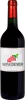
Winery Can'LeandroPanxut
 Red wine


In the mouth this red wine is a powerful.
This wine generally goes well with poultry, beef or veal.

Taste structure of the Panxut from the Winery Can'Leandro
Light | Bold | |
Smooth | Tannic | |
Dry | Sweet | |
Soft | Acidic |
In the mouth the Panxut of Winery Can'Leandro in the region of Valence is a powerful.
Wine flavors and olphactive analysis



On the nose the Panxut of Winery Can'Leandro in the region of Valence often reveals types of flavors of earth, oak or red fruit and sometimes also flavors of black fruit.
Food and wine pairings with Panxut
Pairings that work perfectly with Panxut



Original food and wine pairings with Panxut

The Panxut of Winery Can'Leandro matches generally quite well with dishes of beef, pasta or veal such as recipes of baked lasagna, meat and goat pie or veal tagine with peas.
Details and technical informations about Winery Can'Leandro's Panxut.
Discover the grape variety: Trepat
Light, elegant reds and rosés with a clear ruby robe, fine tannins and fresh acidity. Delicate aromas of strawberry, raspberry, red cherry, rose, white flowers and spicy notes. Airy, refreshing palate. Star of Conca de Barberà DO in Catalonia and component of Cava DO rosés and Cava de Paraje Calificado, contributing aromatic finesse. Native Catalan variety, long overlooked, rediscovered for its elegant, fresh profile.
Last vintages of this wine

The best vintages of Panxut from Winery Can'Leandro are 2018, 0, 2016
Informations about the Winery Can'Leandro
The Winery Can'Leandro is one of of the world's greatest estates. It offers 7 wines for sale in the of Valence to come and discover on site or to buy online.

The wine region of Valence
Sunny Mediterranean Levant, sun-drenched accessible wines. Monastrell (Mourvèdre) star red in Alicante: fleshy and deep with black fruits, garrigue, leather and spice, firm tannins. Round, fruity Bobal from Utiel-Requena, supple Garnacha, juicy Tempranillo. Fresh whites: light Merseguera, aromatic Moscatel (fresh grape, flowers).
The word of the wine: Cinsault
Cinsault is a southern black grape variety that can be found in the blends of most Mediterranean appellations, but most often as an accessory grape variety. It is undoubtedly most present in certain rosé wines (in Corbières, Côtes-de-Provence, etc.): it gives these wines highly appreciated aromas of strawberry, peach and raspberry. In vin de pays (IGP), it is often vinified on its own, usually as a rosé.