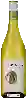
Winery CampanulaPinot Grigio
 White wine



This wine generally goes well with poultry, veal or shellfish.
The Pinot Grigio of the Winery Campanula is in the top 10 of wines of Etyek-Buda.

Wine flavors and olphactive analysis






On the nose the Pinot Grigio of Winery Campanula in the region of Észak-Dunántúl often reveals types of flavors of non oak, earth or microbio and sometimes also flavors of vegetal, oak or tree fruit.
Food and wine pairings with Pinot Grigio
Pairings that work perfectly with Pinot Grigio



Original food and wine pairings with Pinot Grigio
The Pinot Grigio of Winery Campanula matches generally quite well with dishes of veal, shellfish or poultry such as recipes of stuffed quails, marinated mussels with parsley or tuna nuggets.
Details and technical informations about Winery Campanula's Pinot Grigio.
Discover the grape variety: Arinto dos Açores
Vivid, mineral whites with a strong volcanic imprint, pale golden robe, tense palate, showing signature aromas of citrus (lemon), white flowers, white-fleshed fruits and remarkable saline marine nuances. Star of the Pico DOP and Biscoitos DOP on the basaltic soils of the volcanic islands of Pico and Terceira, representing the viticultural identity of the Atlantic archipelago. Portuguese white autochtone variety of the Azores, unrelated to continental Arinto.
Last vintages of this wine
The best vintages of Pinot Grigio from Winery Campanula are 2019, 2017, 2018, 2013 and 0.
Informations about the Winery Campanula
The Winery Campanula is one of of the world's greatest estates. It offers 9 wines for sale in the of Etyek-Buda to come and discover on site or to buy online.

The wine region of Etyek-Buda
Hungarian wine region near Budapest, fresh continental winds bringing lively acidity — one of Hungary's great homes of sparkling wine (traditional method, min. 24 months ageing). Refined signature sparkling whites with signature notes of white apple, citrus, white flowers, brioche and an almond touch, fine bubbles and taut palate — Chardonnay is the benchmark, Pinot Noir adds body. Still: lively Sauvignon, floral Királyleányka, straight Pinot Blanc.
The wine region of Észak-Dunántúl
Northern Transdanubia wine region (northern Hungary) grouping Etyek-Buda, Neszmély, Mór and Pannonhalma, with limestone and volcanic soils at Mór. Nearly exclusively white wines: Olaszrizling (Welschriesling) ample with apple, citrus, almond and honeyed touch. Opulent Chardonnay, lively Sauvignon Blanc, floral Tramini and fragrant Muscat Ottonel. Ezerjó generous on volcanic soils.
The word of the wine: Generic
A term that can have several meanings, but often designates a branded wine as opposed to a wine from a vineyard or château, sometimes abused to designate regional appellations (e.g. Bordeaux, Burgundy, etc.).