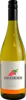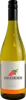
Winery Cabo da RocaPenínsula de Setúbal Tinto
 Red wine



In the mouth this red wine is a powerful with a nice balance between acidity and tannins.
This wine generally goes well with poultry, beef or veal.
Taste structure of the Península de Setúbal Tinto from the Winery Cabo da Roca
Light | Bold | |
Smooth | Tannic | |
Dry | Sweet | |
Soft | Acidic |
In the mouth the Península de Setúbal Tinto of Winery Cabo da Roca in the region of Península de Setúbal is a powerful with a nice balance between acidity and tannins.
Wine flavors and olphactive analysis


On the nose the Península de Setúbal Tinto of Winery Cabo da Roca in the region of Península de Setúbal often reveals types of flavors of non oak, oak or red fruit.
Food and wine pairings with Península de Setúbal Tinto
Pairings that work perfectly with Península de Setúbal Tinto



Original food and wine pairings with Península de Setúbal Tinto

The Península de Setúbal Tinto of Winery Cabo da Roca matches generally quite well with dishes of beef, pasta or veal such as recipes of borscht (russia), pasta with zucchini or roast veal with caramelized carrots.
Details and technical informations about Winery Cabo da Roca's Península de Setúbal Tinto.
Discover the grape variety: Vijiriega
Last vintages of this wine
The best vintages of Península de Setúbal Tinto from Winery Cabo da Roca are 2018, 2015, 2017, 2016 and 0.
Informations about the Winery Cabo da Roca
The Winery Cabo da Roca is one of of the world's greatest estates. It offers 22 wines for sale in the of Península de Setúbal to come and discover on site or to buy online.

The wine region of Península de Setúbal
Portuguese peninsula south of Lisbon between the Tagus and Sado estuaries. World-renowned speciality: Moscatel de Setúbal, a golden fortified sweet wine with signature notes of candied orange, dried apricot, honey, fig, currant and sweet spices, long ageing — the rare Roxo version has more floral notes. Also fruity, supple Castelão reds (64%) (blackberry, plum), perfumed Touriga Nacional. Oceanic climate.
The word of the wine: Sabrer (champagne)
A cavalier and folkloric way of opening a bottle of champagne by breaking the neck with a sharp blow given with the top of the blade of a sabre.