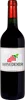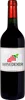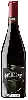
Bodegas TintoralbaSelección Crianza
 Red wine



In the mouth this red wine is a powerful with a nice balance between acidity and tannins.
This wine generally goes well with poultry, beef or veal.

Taste structure of the Selección Crianza from the Bodegas Tintoralba
Light | Bold | |
Smooth | Tannic | |
Dry | Sweet | |
Soft | Acidic |
In the mouth the Selección Crianza of Bodegas Tintoralba in the region of Castille is a powerful with a nice balance between acidity and tannins.
Wine flavors and olphactive analysis



On the nose the Selección Crianza of Bodegas Tintoralba in the region of Castille often reveals types of flavors of non oak, earth or oak and sometimes also flavors of red fruit.
Food and wine pairings with Selección Crianza
Pairings that work perfectly with Selección Crianza



Original food and wine pairings with Selección Crianza

The Selección Crianza of Bodegas Tintoralba matches generally quite well with dishes of beef, pasta or veal such as recipes of veal shank with mushrooms, spaghetti with homemade pesto or veal paupiettes with cider.
Details and technical informations about Bodegas Tintoralba's Selección Crianza.
Discover the grape variety: Corbeau
Structured and fresh reds with a deep purple hue, firm tannins and an ample palate with preserved acidity, featuring signature aromas of red fruits (cherry), spices and fresh alpine notes. Moderate ageing potential. Grown in small quantities in Savoy and the Aosta Valley, it contributes to the AOC Vin de Savoie and crafts artisanal altitude cuvées. Autochthonous black Savoyard grape (also called Charbonneau), identical to the Douce Noire of the Aosta Valley.
Last vintages of this wine
The best vintages of Selección Crianza from Bodegas Tintoralba are 2015, 2011, 2013, 0 and 2008.
Informations about the Bodegas Tintoralba
The Bodegas Tintoralba is one of of the world's greatest estates. It offers 26 wines for sale in the of Almansa to come and discover on site or to buy online.

The wine region of Almansa
Castilla-La Mancha DOP southeast of Albacete, high-altitude vineyards (700-1,000 m) on limestone, dry continental climate. Signature Garnacha Tintorera as ruling red (~60%, Alicante Bouschet, red pulp): dark and fruity with blackberry, candied cherry, plum, violet, garrigue, leather and spice, round tannins and meaty palate. Dense, fresh Monastrell thanks to altitude (blackberry, kirsch, garrigue). Supple Tempranillo, peppery Syrah.
The wine region of Castille
Cradle of great Castilian reds, high-altitude plateaus (450-1000 m) along the Duero. Tempranillo king (aka Tinta de Toro, Tinto Fino): powerful, concentrated, structured reds with notes of black cherry, plum, leather, tobacco and spice, firm tannins from altitude and cool nights. Stars: Ribera del Duero (Vega Sicilia, Pingus), fleshy Toro, Bierzo (floral, mineral Mencía). Lively, herbaceous Verdejo whites from Rueda.
The word of the wine: Flavours
There are generally four so-called fundamental flavours: acidity, bitterness, sweetness and saltiness. The first three are considered to be the building blocks of the structure of wines. They are perceived by the taste buds that cover the surface of the tongue.