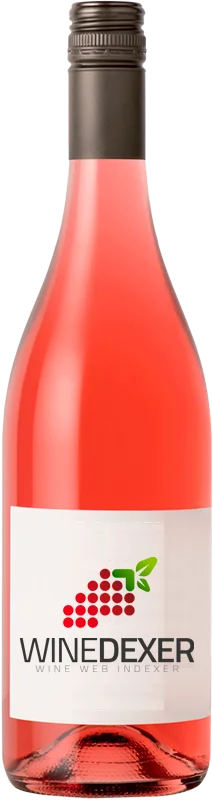
Bodegas TintoralbaAltitud 1.100 Rosado
 Pink wine


This wine generally goes well with beef, lamb or mature and hard cheese.

Food and wine pairings with Altitud 1.100 Rosado
Pairings that work perfectly with Altitud 1.100 Rosado



Original food and wine pairings with Altitud 1.100 Rosado

The Altitud 1.100 Rosado of Bodegas Tintoralba matches generally quite well with dishes of beef, lamb or spicy food such as recipes of monkfish armorican style, lamb chops marinated with herbs or honey chicken wok style.
Details and technical informations about Bodegas Tintoralba's Altitud 1.100 Rosado.
Discover the grape variety: Mondeuse
Structured, elegant age-worthy reds with a dark ruby colour, firm tannins and an ample palate with beautiful preserved acidity, showing signature aromas of black fruits (blackberry, blackcurrant), black pepper, violet and alpine spices. Star of the Vin de Savoie AOC appellation (Arbin, Saint-Jean-de-la-Porte), defining the great Savoyard age-worthy reds, a typical expression of the French Alps. Official synonym of Mondeuse Noire, French autochthonous black variety from Savoie.
Last vintages of this wine
The best vintages of Altitud 1.100 Rosado from Bodegas Tintoralba are 0
Informations about the Bodegas Tintoralba
The Bodegas Tintoralba is one of of the world's great estates. It offers 26 wines for sale in the of Almansa to come and discover on site or to buy online.

The wine region of Almansa
Castilla-La Mancha DOP southeast of Albacete, high-altitude vineyards (700-1,000 m) on limestone, dry continental climate. Signature Garnacha Tintorera as ruling red (~60%, Alicante Bouschet, red pulp): dark and fruity with blackberry, candied cherry, plum, violet, garrigue, leather and spice, round tannins and meaty palate. Dense, fresh Monastrell thanks to altitude (blackberry, kirsch, garrigue). Supple Tempranillo, peppery Syrah.
The wine region of Castille
Cradle of great Castilian reds, high-altitude plateaus (450-1000 m) along the Duero. Tempranillo king (aka Tinta de Toro, Tinto Fino): powerful, concentrated, structured reds with notes of black cherry, plum, leather, tobacco and spice, firm tannins from altitude and cool nights. Stars: Ribera del Duero (Vega Sicilia, Pingus), fleshy Toro, Bierzo (floral, mineral Mencía). Lively, herbaceous Verdejo whites from Rueda.
The word of the wine: Dry
Champagne with between 17 and 35 grams of sugar (see dosage liqueur).