Bodegas PinesqueTriada
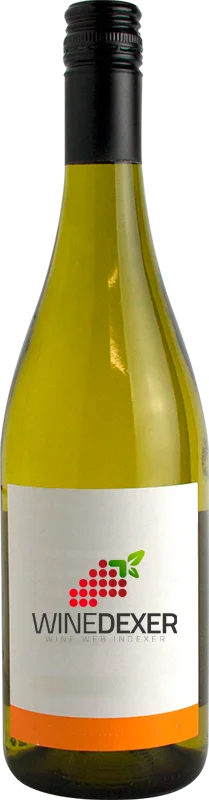
 White wine



This wine is a blend of 2 varietals which are the Chardonnay and the Gewurztraminer.
This wine generally goes well with pork, vegetarian or poultry.
Food and wine pairings with Triada
Pairings that work perfectly with Triada



Original food and wine pairings with Triada



The Triada of Bodegas Pinesque matches generally quite well with dishes of pork, rich fish (salmon, tuna etc) or spicy food such as recipes of beef stew, sea sauerkraut with white wine or macaroonade from sète.
Details and technical informations about Bodegas Pinesque's Triada.
Discover the grape variety: Chardonnay
The white Chardonnay is a grape variety that originated in France (Burgundy). It produces a variety of grape specially used for wine making. It is rare to find this grape to eat on our tables. This variety of grape is characterized by small bunches, and small grapes. White Chardonnay can be found in many vineyards: South West, Burgundy, Jura, Languedoc & Roussillon, Cognac, Bordeaux, Beaujolais, Savoie & Bugey, Loire Valley, Champagne, Rhone Valley, Armagnac, Lorraine, Alsace, Provence & Corsica.
Last vintages of this wine
The best vintages of Triada from Bodegas Pinesque are 0
Informations about the Bodegas Pinesque
The Bodegas Pinesque is one of of the world's greatest estates. It offers 11 wines for sale in the of North to come and discover on site or to buy online.

The wine region of North
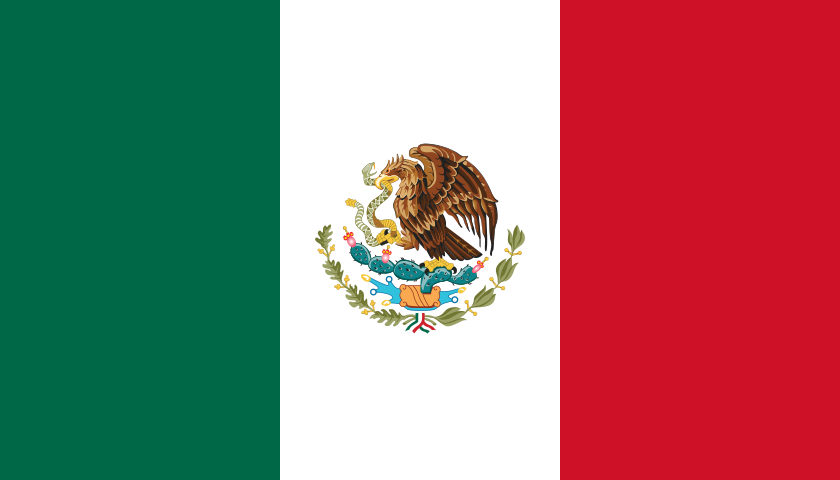
Valle de Guadalupe is the key wine region in the state of Baja California, Mexico. Baja California, in turn, is responsible for 90 percent national wine production. At the heart of the valley is Guadalupe Village, which Lies 14 miles (20km) North of Ensenada city. The valley runs northeast to southwest on either side of Guadalupe, stretching from the Pacific coast inland for roughly 20 miles (32 km).
The word of the wine: Grey (wine)
Wine obtained by vinifying white grapes with coloured skin (black or grey), by direct pressing, without maceration. It is a rosé with very little colour.