The Bodegas Binifadet of Iles Baléares
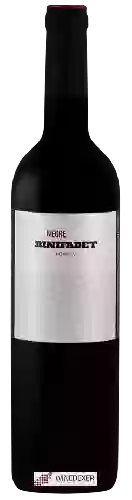
The Bodegas Binifadet is one of the best wineries to follow in Iles Baléares.. It offers 21 wines for sale in of Iles Baléares to come and discover on site or to buy online.
Looking for the best Bodegas Binifadet wines in Iles Baléares among all the wines in the region? Check out our tops of the best red, white or effervescent Bodegas Binifadet wines. Also find some food and wine pairings that may be suitable with the wines from this area. Learn more about the region and the Bodegas Binifadet wines with technical and enological descriptions.
How Bodegas Binifadet wines pair with each other generally quite well with dishes of beef, pasta or veal such as recipes of thai beef skewers, spaghetti bolognese or roast veal grand-mère madou.
On the nose the red wine of Bodegas Binifadet. often reveals types of flavors of oak, red fruit or black fruit and sometimes also flavors of earth. In the mouth the red wine of Bodegas Binifadet. is a powerful.
The Balearic Islands (Las Islas Baleares) collectively form one of Spain's 17 official administrative regions. This idyllic archipelago Lies about 95 km east of the Iberian Peninsula in the western Mediterranean. The islands' closest neighbours are the provinces of Valencia and Murcia to the west, and Catalonia to the North. The four largest islands (Mallorca, Menorca, Ibiza and Formentera) are known as the archetypal Mediterranean holiday destinations.
Although wine has been produced on the islands since Roman times (vines were introduced around 121 BC), the industry is still evolving. The islands have two official DO wine designations: Pla i Llevant (introduced in 2001) and Binissalem-Mallorca, both located on the island of Mallorca.
How Bodegas Binifadet wines pair with each other generally quite well with dishes of pork, rich fish (salmon, tuna etc) or vegetarian such as recipes of whiskey paupiettes, salmon steak on a bed of leeks or quiche without pastry.
On the nose the white wine of Bodegas Binifadet. often reveals types of flavors of oaky, oak or earth and sometimes also flavors of tree fruit, vegetal or citrus fruit. In the mouth the white wine of Bodegas Binifadet. is a powerful with a nice freshness.
How Bodegas Binifadet wines pair with each other generally quite well with dishes of pork, rich fish (salmon, tuna etc) or vegetarian such as recipes of green lentils strasbourg style, oven-baked salmon mozzarella sandwiches or tuna, pepper and tomato quiche.
In the Bordeaux vineyards, the grand vin is the main wine of the château, although a "second wine" is usually produced. It is a wine of lesser ageing made from the youngest vines.
How Bodegas Binifadet wines pair with each other generally quite well with dishes of spicy food or sweet desserts such as recipes of hawaiian pizza or yoghurt cake.
An ancient grape variety that has been cultivated for a long time, mainly in the Rueda region of northwestern Spain. D.N.A. tests show that it is the result of a natural cross between Savagnin and Castellana Blanco. It should not be confused with the Verdelho, which is very well known in Portugal, and the Verdelho Branco, which is almost more widespread. The Verdejo is registered in the Official Catalogue of wine grape varieties list A. It can also be found in the United States (Virginia, California, etc.), Australia, Portugal, etc., but is practically unknown in France.
How Bodegas Binifadet wines pair with each other generally quite well with dishes of beef, lamb or game (deer, venison) such as recipes of roasted fillet of beef with parsley, lamb tagine with vegetables and sweet potatoes or rabbit with homemade mustard.
On the nose the pink wine of Bodegas Binifadet. often reveals types of flavors of red fruit.
Mineral odour reminiscent of flint and flint heated during sharpening.
Planning a wine route in the of Iles Baléares? Here are the wineries to visit and the winemakers to meet during your trip in search of wines similar to Bodegas Binifadet.
White muscat is a white grape variety of Greek origin. Present in several Mediterranean vineyards, it has several synonyms such as muscat de Die, muscat blanc and frontignac. In France, it occupies a little less than 7,000 ha out of a total of 45,000 ha worldwide. Its young shoots are downy. Its youngest leaves are shiny, bronzed and scabrous. The berries and bunches of this variety are all medium-sized. The flesh of the berries is juicy, sweet and firm. Muscat à petits grains has a second ripening period and buds early in the year. It is moderately vigorous and must be pruned short. It likes poor, stony slopes. This variety is often exposed to spring frosts. It fears mildew, wasps, grape worms, court-noué, grey rot and powdery mildew. Muscat à petits grains is used to make rosé wines and dry white wines. Orange, brown sugar, barley sugar and raisins are the known aromas of these wines.