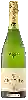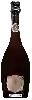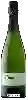
Winery BerthaCava Charlotte Rigaud de Digiso Reserve Brut Nature
 Sparkling wine


This wine generally goes well with appetizers and snacks, lean fish or shellfish.

Food and wine pairings with Cava Charlotte Rigaud de Digiso Reserve Brut Nature
Pairings that work perfectly with Cava Charlotte Rigaud de Digiso Reserve Brut Nature



Original food and wine pairings with Cava Charlotte Rigaud de Digiso Reserve Brut Nature


The Cava Charlotte Rigaud de Digiso Reserve Brut Nature of Winery Bertha matches generally quite well with dishes of shellfish, appetizers and snacks or lean fish such as recipes of chicken maffé (africa), delicious moroccan fritters or cioppino (fricassee of the sea with tomatoes).
Details and technical informations about Winery Bertha's Cava Charlotte Rigaud de Digiso Reserve Brut Nature.
Discover the grape variety: Meslier Saint François
Simple, lively dry whites with a pale golden hue, slender body and sharp acidity; undemonstrative aromas of citrus (lemon), white flowers and herbaceous notes. Neutral, acid profile primarily for distillation. A traditional component of Armagnac AOC blends, contributing to the aromatic identity of Gascon eau-de-vie. Native French white grape from the South-West, grown mainly in Charente and Gascony.
Last vintages of this wine
The best vintages of Cava Charlotte Rigaud de Digiso Reserve Brut Nature from Winery Bertha are 0
Informations about the Winery Bertha
The Winery Bertha is one of of the world's great estates. It offers 17 wines for sale in the of Cava to come and discover on site or to buy online.

The wine region of Cava
Spain's star traditional-method sparkler, the Iberian equivalent of Champagne. Three Catalan grapes blended: Macabeo (apple, freshness), Xarel-lo (body and herbaceous notes), Parellada (elegance and floral finesse). Chardonnay and Pinot Noir also allowed. From fruit-driven Brut to Gran Reserva (30 months on lees) with brioche and toasted notes.
The word of the wine: Performance
Quantity of grapes harvested per hectare. In AOC, the average yield is limited on the proposal of the appellation syndicate, validated by the Inao. The use of high-performance plant material (especially clones) and better control of vine diseases have increased yields. This is not without consequences on the quality of the wines (dilution) and on the state of the market (too much wine). We must not over-simplify: low yields are not synonymous with quality, and it is often in years with generous harvests that we find the greatest vintages (1982 and 1986 in Bordeaux, 1996 in Champagne, 1990 and 2005 in Burgundy...).