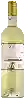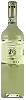
Winery BarberaniVi No So Orvieto Classico Secco
 Sparkling wine


This wine generally goes well with pork, beef or lamb.

Food and wine pairings with Vi No So Orvieto Classico Secco
Pairings that work perfectly with Vi No So Orvieto Classico Secco



Original food and wine pairings with Vi No So Orvieto Classico Secco

The Vi No So Orvieto Classico Secco of Winery Barberani matches generally quite well with dishes of beef, lamb or pork such as recipes of slow-cooked fillet of beef, leg of lamb with garlic and rosemary or pulled pork (us pulled pork ).
Details and technical informations about Winery Barberani's Vi No So Orvieto Classico Secco.
Discover the grape variety: Jurançon
Light, fruity reds with a pale ruby colour, soft tannins, and an airy palate with moderate acidity, offering red-fruit aromas and herbaceous notes. Productive. Today marginal, surviving in a few heritage parcels in Béarn and Bigorre. Not to be confused with the Jurançon AOC (white wines). A synonym of Jurançon noir, a French black variety native to the South-West.
Last vintages of this wine
The best vintages of Vi No So Orvieto Classico Secco from Winery Barberani are 2014, 0
Informations about the Winery Barberani
The Winery Barberani is one of of the world's great estates. It offers 28 wines for sale in the of Orvieto Classico to come and discover on site or to buy online.

The wine region of Orvieto Classico
Historic heart of Orvieto DOC in Umbria (volcanic tuff-limestone soil): Grechetto and Procanico (Trebbiano Toscano) (>=60%) with Verdello, Canaiolo Bianco (Drupeggio) and Malvasia — fruity and floral profile with green apple, meadow flowers, citrus, yellow berries and spice hint, pale straw colour, fresh vivacity, good acidity, long perfumed finish with almond notes. Distinctive tuff minerality.
The wine region of Umbria
"Green heart" of Italy, cradle of Sagrantino: exceptional tannic red in Sagrantino di Montefalco DOCG, dense and concentrated with notes of blackberry, candied plum, liquorice, spice and leather, powerful tannins and long ageing. Suppler Sangiovese in blends, Cabernet and Merlot in Torgiano DOCG. Orvieto whites based on Grechetto and Trebbiano, full and almondy, from dry to sweet Muffato. ~13,000 ha between Tuscany and Lazio.
The word of the wine: Hard
A harsh, biting wine, characterized by an excess of tannins and acidity. It is often said of young wines that lack smoothness.