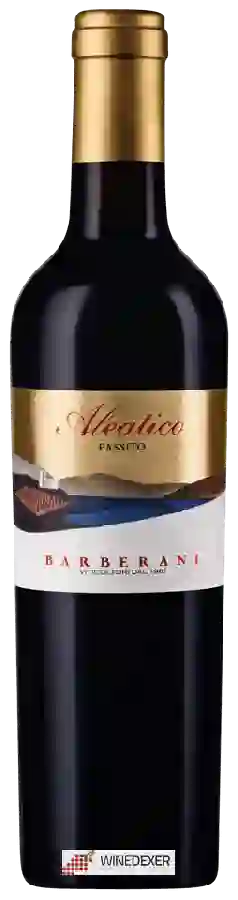
Winery BarberaniAleatico Passito
 Sweet wine


This wine generally goes well with
Wine flavors and olphactive analysis




On the nose the Aleatico Passito of Winery Barberani in the region of Umbria often reveals types of flavors of non oak, oak.
Discover the grape variety: Aléatico
Aleatico noir is a grape variety originating from Italy. It produces a variety of grape specially used for wine making. It is rare to find this grape to eat on our tables. This variety of grape is characterized by medium-sized bunches and medium-sized grapes. Aléatico noir can be found in several vineyards: South-West, Cognac, Bordeaux, Provence & Corsica, Rhone Valley, Loire Valley, Savoie & Bugey, Beaujolais.
Last vintages of this wine

The best vintages of Aleatico Passito from Winery Barberani are 2007, 2009, 0, 2008
Informations about the Winery Barberani
The Winery Barberani is one of of the world's greatest estates. It offers 28 wines for sale in the of Orvieto to come and discover on site or to buy online.

The wine region of Orvieto
Umbrian and Lazio DOC around the Etruscan city, volcanic tuff and clay-calcareous soils. Grechetto white king (≥40%, indigenous of Greek origin) blended with Trebbiano: dry and fresh with green apple, pear, citrus, white flowers, almond and volcanic mineral touch, supple palate. Also amabile and muffato versions (botrytis, honey, candied apricot). Golden wine of Renaissance popes.
The wine region of Umbria
"Green heart" of Italy, cradle of Sagrantino: exceptional tannic red in Sagrantino di Montefalco DOCG, dense and concentrated with notes of blackberry, candied plum, liquorice, spice and leather, powerful tannins and long ageing. Suppler Sangiovese in blends, Cabernet and Merlot in Torgiano DOCG. Orvieto whites based on Grechetto and Trebbiano, full and almondy, from dry to sweet Muffato. ~13,000 ha between Tuscany and Lazio.
The word of the wine: Ancestral method
A method of making certain sparkling wines such as blanquette de Limoux, sparkling gaillac or clairette de Die, which consists of a second fermentation in the bottle based on natural sugars and yeasts naturally brought by the grapes (unlike the méthode champenoise, which requires the addition of tirage liquor).