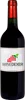
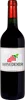
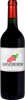
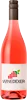
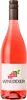
Winery Adega Cooperativa de PalmelaPalmelao Rosé
 Pink wine


This wine generally goes well with beef, lamb or mature and hard cheese.
The Palmelao Rosé of the Winery Adega Cooperativa de Palmela is in the top 60 of wines of Palmela.

Food and wine pairings with Palmelao Rosé
Pairings that work perfectly with Palmelao Rosé



Original food and wine pairings with Palmelao Rosé

The Palmelao Rosé of Winery Adega Cooperativa de Palmela matches generally quite well with dishes of beef, lamb or spicy food such as recipes of quick beef bourguignon, imene's tunisian ojja or butternut soufflé.
Details and technical informations about Winery Adega Cooperativa de Palmela's Palmelao Rosé.
Discover the grape variety: Çal Karası
Light reds with a clear ruby robe, smooth tannins and a vivid palate with bright acidity, showing signature aromas of red fruits (cherry, pomegranate), mild spices and floral notes. Also vinified as bright, refreshing rosés. Star of the Denizli region in western Anatolia, one of the great ambassadors of the Turkish variety revival. Turkish autochtone black variety.
Last vintages of this wine
The best vintages of Palmelao Rosé from Winery Adega Cooperativa de Palmela are 2017, 2019, 2018, 0
Informations about the Winery Adega Cooperativa de Palmela
The Winery Adega Cooperativa de Palmela is one of of the world's great estates. It offers 49 wines for sale in the of Palmela to come and discover on site or to buy online.

The wine region of Palmela
DOC of the Setúbal peninsula south of Lisbon, sandy and limestone plains between mountains and Atlantic, warm maritime climate. Signature Castelão as red king (min. 67%, thrives better here than elsewhere in Portugal): fresh and fruity profile with notes of red cherry, raspberry, plum, Mediterranean herbs and a peppery touch, firm but round tannins — with age, complex notes of cedar and tobacco. Aragonez, Trincadeira, Cabernet and Syrah as complements.
The wine region of Península de Setúbal
Portuguese peninsula south of Lisbon between the Tagus and Sado estuaries. World-renowned speciality: Moscatel de Setúbal, a golden fortified sweet wine with signature notes of candied orange, dried apricot, honey, fig, currant and sweet spices, long ageing — the rare Roxo version has more floral notes. Also fruity, supple Castelão reds (64%) (blackberry, plum), perfumed Touriga Nacional. Oceanic climate.
The word of the wine: Crunchy
A very colorful term to designate a sensation similar to the crunchiness of a grape bursting under the tooth in young and lively wines.