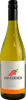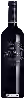
Winery Adega CamolasCastro de Chibanes Superior Tinto
 Red wine


In the mouth this red wine is a powerful with a nice balance between acidity and tannins.
This wine generally goes well with poultry, beef or veal.
Taste structure of the Castro de Chibanes Superior Tinto from the Winery Adega Camolas
Light | Bold | |
Smooth | Tannic | |
Dry | Sweet | |
Soft | Acidic |
In the mouth the Castro de Chibanes Superior Tinto of Winery Adega Camolas in the region of Península de Setúbal is a powerful with a nice balance between acidity and tannins.
Food and wine pairings with Castro de Chibanes Superior Tinto
Pairings that work perfectly with Castro de Chibanes Superior Tinto



Original food and wine pairings with Castro de Chibanes Superior Tinto

The Castro de Chibanes Superior Tinto of Winery Adega Camolas matches generally quite well with dishes of beef, pasta or veal such as recipes of pork tongue with tomato sauce and pickles, pasta gratin milanese style or veal tagine with artichokes and lemons.
Details and technical informations about Winery Adega Camolas's Castro de Chibanes Superior Tinto.
Discover the grape variety: Monemvasia
Recognized as being native to the Peloponnese in Greece, today very present in the Cyclades islands (Paros in particular and a little in Syros, Mykonos, Santorini, ...), in the island of Evia, ... . We can also meet it in Italy, in the United States, ... in France it is practically not known. It should not be confused with the multitude of white grape varieties belonging to the large Malvasia family. Indeed, DNA tests have never established any link of relationship. On the other hand, it is related to the Greek variety Athiri, which originated on the island of Santorini, and to the white Gouais.
Last vintages of this wine
The best vintages of Castro de Chibanes Superior Tinto from Winery Adega Camolas are 2018, 0
Informations about the Winery Adega Camolas
The Winery Adega Camolas is one of of the world's great estates. It offers 34 wines for sale in the of Palmela to come and discover on site or to buy online.

The wine region of Palmela
The wine region of Palmela is located in the region of Península de Setúbal of Portugal. Wineries and vineyards like the Domaine Casa Ermelinda Freitas or the Domaine Horácio Simões produce mainly wines red, white and pink. The most planted grape varieties in the region of Palmela are Touriga nacional, Cabernet-Sauvignon and Fernao Pires, they are then used in wines in blends or as a single variety. On the nose of Palmela often reveals types of flavors of citrus, mango or butter and sometimes also flavors of green apple, minerality or apricot.
The wine region of Península de Setúbal
Setúbal Peninsula (also known as Península de Setúbal) is the Portuguese wine region immediately southeast of Lisbon, across the Tejo estuary. The Terroir in the area ranges from sandy coastal plains to the craggy, limestone-rich Serra Arribida hills. The area is known for its Dry red wines made from Castelão, and for its fortified wines and Sweet Moscatel de Setúbal. The wines produced here are made under three titles: two DOCs, Palmela and Setúbal, and one IGP.
The word of the wine: Reassembly
During the vinification process, a "cap" is formed at the top of the vats with the solid parts (skin, pulp, pips, etc.), which contain tannins and colouring elements. Pumping over consists of emptying the vat from the bottom and pouring the juice back to the top, in order to mix the cap and the juice and to favour the exchange and the extraction. This old technique allows a better exchange between the solid parts and the liquid.