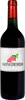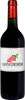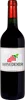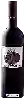
Winery ZanchiLu Aleatico
 Red wine



In the mouth this red wine is a powerful with a good balance between acidity and sweetness.
This wine generally goes well with poultry, beef or veal.
Taste structure of the Lu Aleatico from the Winery Zanchi
Light | Bold | |
Smooth | Tannic | |
Dry | Sweet | |
Soft | Acidic |
In the mouth the Lu Aleatico of Winery Zanchi in the region of Umbria is a powerful with a good balance between acidity and sweetness.
Food and wine pairings with Lu Aleatico
Pairings that work perfectly with Lu Aleatico



Original food and wine pairings with Lu Aleatico

The Lu Aleatico of Winery Zanchi matches generally quite well with dishes of beef, pasta or veal such as recipes of couscous without couscous maker, spaghetti with "favouilles" (curries) or provencal veal tendrons.
Details and technical informations about Winery Zanchi's Lu Aleatico.
Discover the grape variety: Aléatico
Aleatico noir is a grape variety originating from Italy. It produces a variety of grape specially used for wine making. It is rare to find this grape to eat on our tables. This variety of grape is characterized by medium-sized bunches and medium-sized grapes. Aléatico noir can be found in several vineyards: South-West, Cognac, Bordeaux, Provence & Corsica, Rhone Valley, Loire Valley, Savoie & Bugey, Beaujolais.
Last vintages of this wine
The best vintages of Lu Aleatico from Winery Zanchi are 2015, 0
Informations about the Winery Zanchi
The Winery Zanchi is one of of the world's greatest estates. It offers 15 wines for sale in the of Umbria to come and discover on site or to buy online.

The wine region of Umbria
Umbria, in CentralItaly, is a region of lush hills, hilltop villages and iconic historic towns. The latter are exemplified by Orvieto and Assisi. At the very heart of the Italian peninsula, it is surrounded by Tuscany, Marche and Lazio. It is in fact the only Italian region without a coastline or international border.
The word of the wine: Naturé
See savagnin.