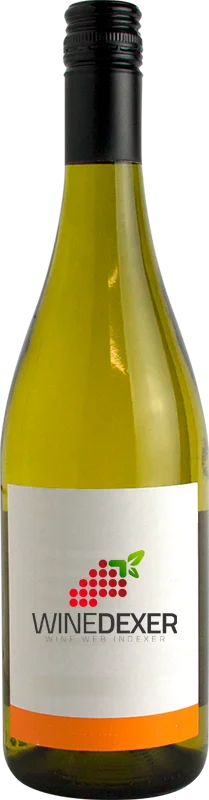
Domaine Pierre MartinSancerre Chavignol 'Clos de Beaujeu'
 White wine
This wine generally goes well with pork, vegetarian or shellfish.

Food and wine pairings with Sancerre Chavignol 'Clos de Beaujeu'
Pairings that work perfectly with Sancerre Chavignol 'Clos de Beaujeu'



Original food and wine pairings with Sancerre Chavignol 'Clos de Beaujeu'


The Sancerre Chavignol 'Clos de Beaujeu' of Domaine Pierre Martin matches generally quite well with dishes of pork, shellfish or spicy food such as recipes of roast pork with mustard and honey, scallops with chorizo sauce or carrot soup with curry and coconut milk.
Details and technical informations about Domaine Pierre Martin's Sancerre Chavignol 'Clos de Beaujeu'.
Discover the grape variety: Deckrot
Deeply coloured reds with an intense purple robe, moderate tannins and a full palate, showing simple aromas of black fruits (blackcurrant, blackberry) and inky notes. Teinturier profile. Used primarily in blending to boost colour in light reds, grown on a few hectares in Germany. German hybrid teinturier variety obtained in 1953 at Geilweilerhof (Grauburgunder × Färbertraube), with its characteristic coloured flesh.
Informations about the Domaine Pierre Martin
The Domaine Pierre Martin is one of of the world's greatest estates. It offers 12 wines for sale in the of Sancerre to come and discover on site or to buy online.

The wine region of Sancerre
World reference for taut Sauvignon Blanc: exclusive signature white king — dry and mineral with notes of citrus (lemon, grapefruit), vine peach, pear, exotic fruit, white flowers and signature gun-flint, lively acidity and a racy finish according to soils (limestone, flint, clay). Subtler than NZ or Chile, ages 5-10 years. Rare airy Pinot Noir reds (cherry, raspberry) and saline rosés. AOC on the Loire's left bank (Centre), hills at 200-400 m.
The wine region of Loire Valley
Kingdom of lively, dry whites and fine sparklers. Mineral, taut Sauvignon Blanc (Sancerre, Pouilly-Fumé) with citrus and gunflint notes. Multiform Chenin Blanc (Vouvray, Savennières, Layon): straight dry, floral off-dry or noble sweet honey-quince. Saline, iodised Muscadet (Melon B.
The word of the wine: INAO glass
Glass adapted to wine tasting, created in the 1970s by the Institut national des appellations d'origine. At the time, it had the advantage of offering a standardised tool to all tasters. It is characterized by a wide base that allows for good ventilation and a narrow mouth (opening of the glass) to concentrate the aromas. Many high-performance glasses have been created based on this model.