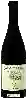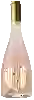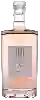
Winery Xavier RogerNuits Folles Rosé
 Pink wine



In the mouth this pink wine is a with a nice freshness.
This wine generally goes well with vegetarian, appetizers and snacks or lean fish.

Taste structure of the Nuits Folles Rosé from the Winery Xavier Roger
Light | Bold | |
Dry | Sweet | |
Soft | Acidic |
In the mouth the Nuits Folles Rosé of Winery Xavier Roger in the region of Languedoc-Roussillon is a with a nice freshness.
Food and wine pairings with Nuits Folles Rosé
Pairings that work perfectly with Nuits Folles Rosé



Original food and wine pairings with Nuits Folles Rosé


The Nuits Folles Rosé of Winery Xavier Roger matches generally quite well with dishes of pasta, vegetarian or appetizers and snacks such as recipes of cannelloni of meat, quiche with leeks and fresh salmon from flo or prunes with bacon.
Details and technical informations about Winery Xavier Roger's Nuits Folles Rosé.
Discover the grape variety: Silvaner
Lively, structured dry whites with a pale golden robe, a taut palate and preserved acidity, showing refined and understated aromas of citrus (lemon), white flowers (acacia), green apple, fresh herbs and calcareous mineral notes. A terroir variety for young or aged drinking, with perfect soil transparency. The undisputed star of Franconia VDP, present in Alsace AOC and Austria. An indigenous Austrian variety, also called Sylvaner or Grüner Silvaner.
Informations about the Winery Xavier Roger
The Winery Xavier Roger is one of of the world's great estates. It offers 43 wines for sale in the of Languedoc-Roussillon to come and discover on site or to buy online.

The wine region of Languedoc-Roussillon
Largest single French vineyard, dominated by sunny, generous reds. Spicy Syrah, candied Grenache (ripe fruit, garrigue), structured Carignan, deep Mourvèdre, supple Cinsault. Stars: structured Corbières, Minervois, Faugères, Saint-Chinian; round Côtes-du-Roussillon. Legendary vins doux naturels: Banyuls and Maury (fortified Grenache) with notes of cocoa, fig, prune.
The word of the wine: Alcoholic fermentation
Transformation of sugars into alcohol under the effect of yeast. These yeasts exist in their natural state in the vineyards and in the cellars. Artificial seeding with selected yeasts is however very often practiced.