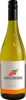
Winery When in RomeSauvignon
 White wine
In the mouth this white wine is a powerful with a nice freshness.
This wine generally goes well with lean fish, shellfish or mature and hard cheese.
The Sauvignon of the Winery When in Rome is in the top 40 of wines of Veneto.

Taste structure of the Sauvignon from the Winery When in Rome
Light | Bold | |
Dry | Sweet | |
Soft | Acidic |
In the mouth the Sauvignon of Winery When in Rome in the region of Veneto is a powerful with a nice freshness.
Food and wine pairings with Sauvignon
Pairings that work perfectly with Sauvignon



Original food and wine pairings with Sauvignon


The Sauvignon of Winery When in Rome matches generally quite well with dishes of pasta, shellfish or mature and hard cheese such as recipes of express seafood spaghetti, shrimp curry (reunionese recipe) or casserole egg with saint-nectaire cheese.
Details and technical informations about Winery When in Rome's Sauvignon.
Discover the grape variety: Albalonga
Full-bodied aromatic whites with a pale to amber golden robe and an ample palate, with signature muscat aromas, white flowers, apricot and honeyed notes in sweet styles. Mainly sweet and botrytised wines (BA, TBA). Grown on small surfaces in Franconia and the German Palatinate. German white variety obtained in 1951 by Heinrich Birk at Geisenheim (Rieslaner × Sylvaner), early-ripening and productive.
Informations about the Winery When in Rome
The Winery When in Rome is one of of the world's greatest estates. It offers 6 wines for sale in the of Veneto to come and discover on site or to buy online.

The wine region of Veneto
World star of Prosecco: fresh, light Glera sparklers with notes of pear, green apple and white flowers, fruity, convivial bubbles. Veronese reds from Corvina and Rondinella: light, crisp Bardolino, fruity Valpolicella, opulent, concentrated Amarone DOCG (black cherry, chocolate, raisin) from dried grapes. Mineral, almondy Soave (Garganega) whites, fresh Pinot Grigio. 97,500 ha, Italy's largest production.
The word of the wine: Premier cru
In Burgundy, third level of classification (above the regional and communal appellations), designating the wines produced on delimited parcels (climats) whose name is added to the communal appellation. The climats classified as first growths are 635.