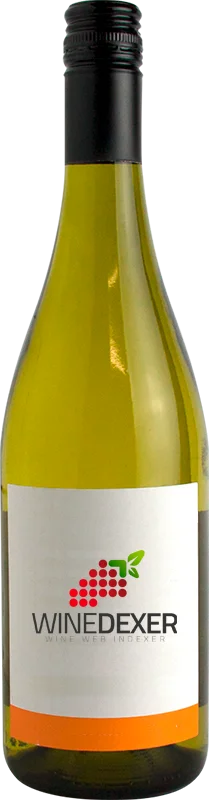
Winery Weinkonvent DürrenzimmernKlosterhof Pinot Grigio
 White wine
In the mouth this white wine is a .
This wine generally goes well with pork, cured meat or mushrooms.

Taste structure of the Klosterhof Pinot Grigio from the Winery Weinkonvent Dürrenzimmern
Light | Bold | |
Dry | Sweet | |
Soft | Acidic |
In the mouth the Klosterhof Pinot Grigio of Winery Weinkonvent Dürrenzimmern in the region of Württemberg is a .
Food and wine pairings with Klosterhof Pinot Grigio
Pairings that work perfectly with Klosterhof Pinot Grigio



Original food and wine pairings with Klosterhof Pinot Grigio

The Klosterhof Pinot Grigio of Winery Weinkonvent Dürrenzimmern matches generally quite well with dishes of pork, spicy food or mushrooms such as recipes of zucchini lasagna, balinese-style bonito or whole duck casserole with white wine.
Details and technical informations about Winery Weinkonvent Dürrenzimmern's Klosterhof Pinot Grigio.
Discover the grape variety: Sciaccarello
Elegant, spiced reds of pale colour with a light ruby robe, fine tannins and a silky, fresh palate, with signature aromas of red fruits (cherry, raspberry), black pepper, gentle spices and Mediterranean notes (maquis, garrigue). Also produces great rosés. Star of the Ajaccio AOC appellation; defines the viticultural identity of Corsica. Indigenous French black variety from Corsica, grown mainly around Ajaccio.
Informations about the Winery Weinkonvent Dürrenzimmern
The Winery Weinkonvent Dürrenzimmern is one of of the world's great estates. It offers 93 wines for sale in the of Württemberg to come and discover on site or to buy online.

The wine region of Württemberg
Rare predominantly red region in Germany (nearly 70%). Supple, fruity everyday reds: light, crisp Trollinger (Schiava) with red fruits, more structured, spicy, deep Lemberger (Blaufränkisch), generous Schwarzriesling (Pinot Meunier). Riesling king of whites (>2,000 ha), lively and mineral, citrus and green apple. Germany's 4th region (11,500 ha) on the Neckar slopes around Heilbronn and Stuttgart.
The word of the wine: Golden
Brown colour with red and yellow reflections characteristic of evolved wines.