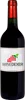
Weingut BeckerSpätburgunder Trocken
 Red wine
In the mouth this red wine is a with a nice freshness.
This wine generally goes well with poultry, beef or veal.

Taste structure of the Spätburgunder Trocken from the Weingut Becker
Light | Bold | |
Smooth | Tannic | |
Dry | Sweet | |
Soft | Acidic |
In the mouth the Spätburgunder Trocken of Weingut Becker in the region of Baden is a with a nice freshness.
Food and wine pairings with Spätburgunder Trocken
Pairings that work perfectly with Spätburgunder Trocken



Original food and wine pairings with Spätburgunder Trocken

The Spätburgunder Trocken of Weingut Becker matches generally quite well with dishes of beef, veal or game (deer, venison) such as recipes of adapted vietnamese fondue, veal with chestnut and pietra (corsican beer) or valencian paella - family recipe.
Details and technical informations about Weingut Becker's Spätburgunder Trocken.
Discover the grape variety: Ortega
Aromatic, muscat-scented whites with a golden robe, full palate and moderate acidity. Intense aromas of muscat, yellow peach, apricot, white flowers, honey, candied citrus and soft spices. Produced as dry, sweet and Beerenauslese/Trockenbeerenauslese styles by noble rot. Early ripening; it signs the aromatic whites of Germany (Franconia, Rheinhessen), the UK and Canada. German variety created in 1948 in Würzburg.
Informations about the Weingut Becker
The Weingut Becker is one of of the world's great estates. It offers 18 wines for sale in the of Baden to come and discover on site or to buy online.

The wine region of Baden
German capital of Pinot Noir (Spätburgunder): silky, fine reds with notes of red fruits, cherry, undergrowth and sweet spices, melted tannins. Round Grauburgunder (Pinot Gris), lively Weissburgunder, supple Müller-Thurgau, mineral Riesling. Germany's 3rd region (15,000 ha) in Baden-Württemberg facing Alsace, one of the country's warmest climates, volcanic soils at the Kaiserstuhl. Cradle of modern great German reds, elegant and fine.
The word of the wine: Farm
Wine dominated by a strong acidity and/or biting tannins. In this case, the components of the wine need to melt, i.e. to harmonize during the maturation in the cellar.