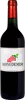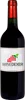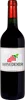
Winery Weinbau EberhardMilvus Schiller Cabernet Noir - Seyval Blanc
 Red wine
This wine is a blend of 2 varietals which are the Cabernet-Sauvignon and the Seyval blanc.
This wine generally goes well with poultry, beef or lamb.

Food and wine pairings with Milvus Schiller Cabernet Noir - Seyval Blanc
Pairings that work perfectly with Milvus Schiller Cabernet Noir - Seyval Blanc



Original food and wine pairings with Milvus Schiller Cabernet Noir - Seyval Blanc

The Milvus Schiller Cabernet Noir - Seyval Blanc of Winery Weinbau Eberhard matches generally quite well with dishes of beef, lamb or spicy food such as recipes of fondue bourguignonne and accompanying sauces, 7 o'clock leg of lamb or spanish paella.
Details and technical informations about Winery Weinbau Eberhard's Milvus Schiller Cabernet Noir - Seyval Blanc.
Discover the grape variety: Cabernet-Sauvignon
Structured, tannic reds, deeply coloured, with aromas of blackcurrant, blackberry, cedar, tobacco and graphite, underpinned by firm acidity and fine ageing potential. Cornerstone of the great Médoc estates (Pauillac, Saint-Estèphe, Saint-Julien) and signature of Napa Valley, Coonawarra and Maipo. The world's most planted red variety, a natural cross of Cabernet Franc x Sauvignon Blanc born in Bordeaux.
Informations about the Winery Weinbau Eberhard
The Winery Weinbau Eberhard is one of of the world's greatest estates. It offers 3 wines for sale in the of Zürich to come and discover on site or to buy online.

The wine region of Zürich
Largest German-speaking wine canton of Switzerland, 620 ha around the lake. Star Pinot Noir (Blauburgunder): fine, fresh reds with notes of cherry, raspberry, undergrowth and sweet spices, silky tannins and a delicate style. Also light, floral Müller-Thurgau and precise Chardonnay. A unique speciality: Räuschling, a rare native white almost exclusive to the canton ("vine of the lake"), lively with citrus, white flowers and taut minerality.
The word of the wine: Downy mildew
Disease of the vine due to a fungus. Downy mildew is formidable because it attacks all the organs, from the stem to the grapes, including the leaves, in depth. It was against it that the famous copper and lime-based Bordeaux mixture was developed.