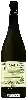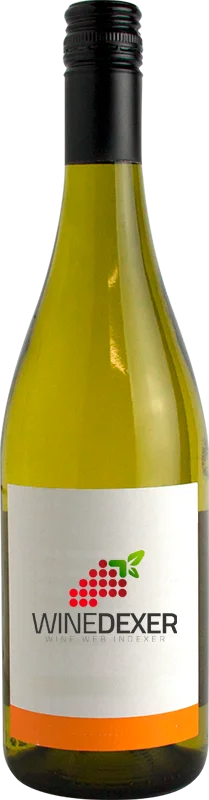
Winery Walter de BatteSaladero
 White wine



In the mouth this white wine is a powerful with a nice freshness.
This wine generally goes well with lean fish, shellfish or mature and hard cheese.

Taste structure of the Saladero from the Winery Walter de Batte
Light | Bold | |
Dry | Sweet | |
Soft | Acidic |
In the mouth the Saladero of Winery Walter de Batte in the region of Liguria is a powerful with a nice freshness.
Food and wine pairings with Saladero
Pairings that work perfectly with Saladero



Original food and wine pairings with Saladero


The Saladero of Winery Walter de Batte matches generally quite well with dishes of pasta, shellfish or mature and hard cheese such as recipes of risotto of coquillettes with chorizo, rice with seafood or cream and ham ravioli.
Details and technical informations about Winery Walter de Batte's Saladero.
Discover the grape variety: Vermentino
Nervy, saline whites with cutting acidity and enveloping richness, showing aromas of grapefruit, lime, pear, white flowers, fresh almond, fennel and marine iodine notes. Slightly bitter finish. Star of Sardinia (Vermentino di Gallura DOCG), Liguria, coastal Tuscany (Bolgheri) and Corsica. Also in Provence and Languedoc-Roussillon as Rolle. An autochthonous Mediterranean variety.
Last vintages of this wine
The best vintages of Saladero from Winery Walter de Batte are 2017, 0
Informations about the Winery Walter de Batte
The Winery Walter de Batte is one of of the world's greatest estates. It offers 5 wines for sale in the of Liguria to come and discover on site or to buy online.

The wine region of Liguria
Coastal region of northwest Italy on the Riviera, terraced vineyards among the steepest in Europe (~1,650 ha). Vermentino signature in white: fresh and saline with signature notes of citrus, white flowers, wild herbs, fresh almond and an iodine mineral touch, taut long mouth. Local Pigato similar and ample, mineral Bosco (min. 40% in Cinque Terre), Albarola.
The word of the wine: Lies
A deposit formed by dead yeast after fermentation. Some white wines are aged on their lees, which makes their aromas and structure more complex and richer.