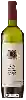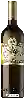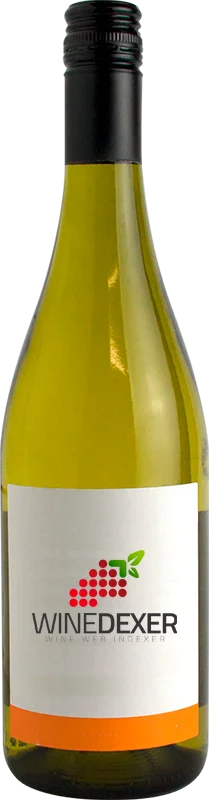
Winery VouillozL'Orage
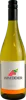
 White wine
In the mouth this white wine is a with a nice freshness.
This wine generally goes well with poultry, lean fish or mild and soft cheese.

Taste structure of the L'Orage from the Winery Vouilloz
Light | Bold | |
Dry | Sweet | |
Soft | Acidic |
In the mouth the L'Orage of Winery Vouilloz in the region of Valais is a with a nice freshness.
Food and wine pairings with L'Orage
Pairings that work perfectly with L'Orage



Original food and wine pairings with L'Orage

The L'Orage of Winery Vouilloz matches generally quite well with dishes of poultry, lean fish or mild and soft cheese such as recipes of caramel chicken, cod fillets with lemon sauce or pizza goat cheese honey cream.
Details and technical informations about Winery Vouilloz's L'Orage.
Discover the grape variety: Chasselas
Light, lively whites with a tender palate and low acidity, with discreet aromas of fresh hazelnut, white flowers, light honey, apple and strongly terroir-driven mineral notes ("chameleon wine" of Swiss soils). Made as dry, often slightly sparkling whites. Absolute star of Vaud (Dézaley, Calamin, Lavaux Grand Cru) and Valais (Fendant) in Switzerland. Also in Pouilly-sur-Loire AOC and the German Jura. Excellent table grape.
Informations about the Winery Vouilloz
The Winery Vouilloz is one of of the world's great estates. It offers 27 wines for sale in the of Valais to come and discover on site or to buy online.

The wine region of Valais
Switzerland's largest vineyard, capital of native grapes. Straight, precise alpine whites: light, floral Chasselas (Fendant), signature Petite Arvine with saline, grapefruit and rhubarb notes, rich, apricoty Amigne, mineral Humagne Blanche. Altitude reds: fine Pinot Noir, crisp Gamay, native Cornalin and Humagne Rouge, spicy and deep. Highly precise alpine age-worthy wines.
The word of the wine: Bleeding
Old practice for red wines. As soon as the vat is filled with grapes, the tap is opened. A sweet but clear juice escapes from the vat (it can also be used to make rosé). The colour and density of the juice is enhanced, but it should not be overdone. Rarely more than 10% of the volume of a vat, otherwise you risk losing fruit and bringing in bitterness.