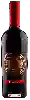
Winery Vinicola ConsoliRubellio Rosso
 Red wine
In the mouth this red wine is a .
This wine generally goes well with poultry, beef or veal.

Taste structure of the Rubellio Rosso from the Winery Vinicola Consoli
Light | Bold | |
Smooth | Tannic | |
Dry | Sweet | |
Soft | Acidic |
In the mouth the Rubellio Rosso of Winery Vinicola Consoli in the region of Lazio is a .
Food and wine pairings with Rubellio Rosso
Pairings that work perfectly with Rubellio Rosso



Original food and wine pairings with Rubellio Rosso

The Rubellio Rosso of Winery Vinicola Consoli matches generally quite well with dishes of beef, pasta or veal such as recipes of beef tongue in hot pickle sauce, pasta with shrimp or flights in the wind à la provençale.
Details and technical informations about Winery Vinicola Consoli's Rubellio Rosso.
Discover the grape variety: Greco
Structured, aromatic dry whites with a pale golden robe, an ample palate and preserved acidity, with signature aromas of yellow fruits (pear, peach, apricot), white flowers (acacia), almond, volcanic mineral notes and a typical bitter finish. Fine ageing potential. Absolute star of Greco di Tufo DOCG, one of Italy's great southern whites. Italian variety of Greek origin (hence its name), grown in Campania and southern Italy.
Informations about the Winery Vinicola Consoli
The Winery Vinicola Consoli is one of of the world's great estates. It offers 71 wines for sale in the of Lazio to come and discover on site or to buy online.

The wine region of Lazio
Two-millennia Roman vineyard, predominantly white on the volcanic soils of the Castelli Romani. Frascati DOC as figurehead: fresh, accessible whites based on Malvasia and Trebbiano, notes of green apple, white flowers and almond, slightly bitter finish. Also Bellone and Grechetto. Emblematic red: Cesanese del Piglio DOCG, fleshy with notes of ripe cherry, dry herbs and spice, round tannins.
The word of the wine: Glycerol
Alcohol very present in wine (after ethyl alcohol) and which reinforces its unctuousness and fatty sensation.