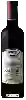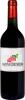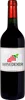
Winery Villa PuriIl Voltone Rosso
 Red wine


In the mouth this red wine is a with a nice balance between acidity and tannins.
This wine generally goes well with poultry, beef or veal.
Taste structure of the Il Voltone Rosso from the Winery Villa Puri
Light | Bold | |
Smooth | Tannic | |
Dry | Sweet | |
Soft | Acidic |
In the mouth the Il Voltone Rosso of Winery Villa Puri in the region of Lazio is a with a nice balance between acidity and tannins.
Food and wine pairings with Il Voltone Rosso
Pairings that work perfectly with Il Voltone Rosso



Original food and wine pairings with Il Voltone Rosso

The Il Voltone Rosso of Winery Villa Puri matches generally quite well with dishes of beef, pasta or veal such as recipes of korean bibimbap, thai coconut chicken with black mushrooms or andouillette de troyes with chaource sauce.
Details and technical informations about Winery Villa Puri's Il Voltone Rosso.
Discover the grape variety: Pardotte
An old Bordeaux grape variety, now in danger of extinction, once cultivated in the Gironde marshes, but registered in the Official Catalogue of Wine Grape Varieties, list A1.
Last vintages of this wine
The best vintages of Il Voltone Rosso from Winery Villa Puri are 0
Informations about the Winery Villa Puri
The Winery Villa Puri is one of of the world's great estates. It offers 14 wines for sale in the of Lazio to come and discover on site or to buy online.

The wine region of Lazio
Lazio is a region in CentralItaly, where the ancient capital of Rome is located. The region's reputation is based primarily on its white wines, the main varieties of which are Trebbiano, Malvasia di Candia and Malvasia Puntinata. Traditionally, these wines were fat, Round, abboccato and intended for immediate consumption. Today, the styles are lighter, drier and crisper thanks to modern winemaking methods.
The word of the wine: Drawing (liqueur de)
In champagne and sparkling wines of traditional method, addition to the wine, at the time of bottling (tirage) of sugars and yeasts dissolved in wine. These components will provoke the second fermentation in the bottle leading to the formation of carbon dioxide bubbles.