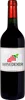
Winery Vicente GandíaBaron de Tena Rouge
 Red wine



In the mouth this red wine is a powerful.
This wine generally goes well with poultry, beef or veal.

Taste structure of the Baron de Tena Rouge from the Winery Vicente Gandía
Light | Bold | |
Smooth | Tannic | |
Dry | Sweet | |
Soft | Acidic |
In the mouth the Baron de Tena Rouge of Winery Vicente Gandía in the region of Valence is a powerful.
Food and wine pairings with Baron de Tena Rouge
Pairings that work perfectly with Baron de Tena Rouge



Original food and wine pairings with Baron de Tena Rouge

The Baron de Tena Rouge of Winery Vicente Gandía matches generally quite well with dishes of beef, pasta or veal such as recipes of american style beef marinade, tagliatelle with carbonara or meatballs catalan style.
Details and technical informations about Winery Vicente Gandía's Baron de Tena Rouge.
Discover the grape variety: Bargine
Simple, fresh dry whites with a pale golden robe, a supple palate with moderate acidity, and undemonstrative aromas of citrus and white flowers. Rustic, discreet profile. Preserved in a few ampelographic collections, Bargine is an ancient heritage variety with virtually no commercial presence, studied mainly for its genetic interest.
Last vintages of this wine
The best vintages of Baron de Tena Rouge from Winery Vicente Gandía are 0
Informations about the Winery Vicente Gandía
The Winery Vicente Gandía is one of of the world's great estates. It offers 81 wines for sale in the of Valence to come and discover on site or to buy online.

The wine region of Valence
Sunny Mediterranean Levant, sun-drenched accessible wines. Monastrell (Mourvèdre) star red in Alicante: fleshy and deep with black fruits, garrigue, leather and spice, firm tannins. Round, fruity Bobal from Utiel-Requena, supple Garnacha, juicy Tempranillo. Fresh whites: light Merseguera, aromatic Moscatel (fresh grape, flowers).
The word of the wine: Tartar (deposit)
White, chalky deposits that occur as a result of precipitation inside bottles and are often considered by consumers as a defect. They are in fact tartaric salts formed by tartaric acid, potassium and calcium naturally present in the wine. This deposit does not alter the quality of the wine and can be eliminated by a simple decanting.