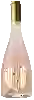
Winery Veronique et Serge SerrisLa Source Aux Fées Rosé
 Pink wine
In the mouth this pink wine is a with a nice freshness.
This wine generally goes well with vegetarian, appetizers and snacks or lean fish.

Taste structure of the La Source Aux Fées Rosé from the Winery Veronique et Serge Serris
Light | Bold | |
Dry | Sweet | |
Soft | Acidic |
In the mouth the La Source Aux Fées Rosé of Winery Veronique et Serge Serris in the region of Languedoc-Roussillon is a with a nice freshness.
Food and wine pairings with La Source Aux Fées Rosé
Pairings that work perfectly with La Source Aux Fées Rosé



Original food and wine pairings with La Source Aux Fées Rosé


The La Source Aux Fées Rosé of Winery Veronique et Serge Serris matches generally quite well with dishes of pasta, vegetarian or appetizers and snacks such as recipes of the real recipe for carbonara, quiche without pastry or emulsion of foie gras with pata negra.
Details and technical informations about Winery Veronique et Serge Serris's La Source Aux Fées Rosé.
Discover the grape variety: Marselan
Supple, fruity reds with a deep robe and melted tannins, featuring aromas of blackcurrant, blackberry, plum, violet, soft spices and garrigue notes. Good consistency and short-to-medium ageing capacity. Made in blends and as a single variety in Languedoc-Roussillon (IGP Pays d'Oc) and exported massively to China where it has become an emblematic quality signature. Also in Brazil and Argentina. A Cabernet Sauvignon × Grenache cross created in 1961 by Paul Truel in Montpellier.
Informations about the Winery Veronique et Serge Serris
The Winery Veronique et Serge Serris is one of of the world's greatest estates. It offers 10 wines for sale in the of Languedoc-Roussillon to come and discover on site or to buy online.

The wine region of Languedoc-Roussillon
Largest single French vineyard, dominated by sunny, generous reds. Spicy Syrah, candied Grenache (ripe fruit, garrigue), structured Carignan, deep Mourvèdre, supple Cinsault. Stars: structured Corbières, Minervois, Faugères, Saint-Chinian; round Côtes-du-Roussillon. Legendary vins doux naturels: Banyuls and Maury (fortified Grenache) with notes of cocoa, fig, prune.
The word of the wine: Flexible
A tender wine with little tannin.