The Winery Vasques de Carvalho of Douro of Duriense
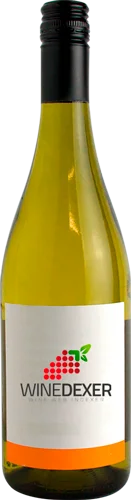
The Winery Vasques de Carvalho is one of the best wineries to follow in Douro.. It offers 16 wines for sale in of Douro to come and discover on site or to buy online.
Looking for the best Winery Vasques de Carvalho wines in Douro among all the wines in the region? Check out our tops of the best red, white or effervescent Winery Vasques de Carvalho wines. Also find some food and wine pairings that may be suitable with the wines from this area. Learn more about the region and the Winery Vasques de Carvalho wines with technical and enological descriptions.
How Winery Vasques de Carvalho wines pair with each other generally quite well with dishes of beef or mature and hard cheese such as recipes of roast beef in a foie gras and chanterelle crust or leek, bacon and beaufort pie.
On the nose the natural sweet wine of Winery Vasques de Carvalho. often reveals types of flavors of non oak, earth or microbio and sometimes also flavors of vegetal, oak or spices.
The wine region of Douro is located in the region of Duriense of Portugal. We currently count 1110 estates and châteaux in the of Douro, producing 4307 different wines in conventional, organic and biodynamic agriculture. The wines of Douro go well with generally quite well with dishes .
How Winery Vasques de Carvalho wines pair with each other generally quite well with dishes of beef, pasta or lamb such as recipes of chicken, beef and lamb couscous (morocco), pasta gratin milanese style or lamb tagine with dried fruits and herbs.
On the nose the red wine of Winery Vasques de Carvalho. often reveals types of flavors of oak, red fruit or black fruit. In the mouth the red wine of Winery Vasques de Carvalho. is a powerful with a nice balance between acidity and tannins.
Planning a wine route in the of Douro? Here are the wineries to visit and the winemakers to meet during your trip in search of wines similar to Winery Vasques de Carvalho.
Most certainly Portuguese, not to be confused with the Touriga Franca also of the same origin. In Portugal, where it is widely cultivated, it is used to produce, among other things, the famous red Porto. It is also found in Uzbekistan, Australia, South Africa, Cyprus, Spain, etc... very little known in France, although it is listed in the Official Catalogue of A1 vines.