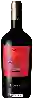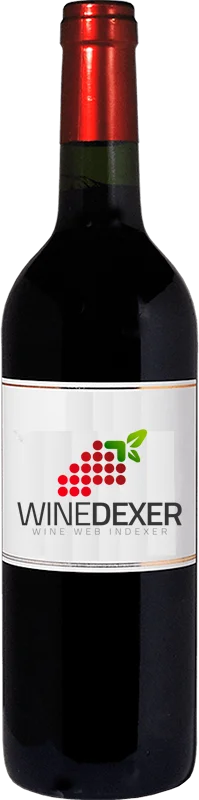
Winery VaraschinBrunoro Valdobbiadene
 Red wine



In the mouth this red wine is a powerful.
This wine generally goes well with beef, game (deer, venison) or lamb.

Taste structure of the Brunoro Valdobbiadene from the Winery Varaschin
Light | Bold | |
Smooth | Tannic | |
Dry | Sweet | |
Soft | Acidic |
In the mouth the Brunoro Valdobbiadene of Winery Varaschin in the region of Veneto is a powerful.
Food and wine pairings with Brunoro Valdobbiadene
Pairings that work perfectly with Brunoro Valdobbiadene



Original food and wine pairings with Brunoro Valdobbiadene

The Brunoro Valdobbiadene of Winery Varaschin matches generally quite well with dishes of beef, pasta or lamb such as recipes of autumn leaves, pasta with tuna and laughing cow or tajine of merguez and potatoes.
Details and technical informations about Winery Varaschin's Brunoro Valdobbiadene.
Discover the grape variety: Corvina
Slender, fresh reds with a clear ruby robe, fine tannins and lively acidity, showing aromas of sour cherry, bitter almond, spice and a characteristically bitter finish. Vinified as light, gulpable reds (Bardolino DOC, Valpolicella DOC), powerful and concentrated through appassimento (Amarone della Valpolicella DOCG) and sweet (Recioto della Valpolicella DOCG). An autochthonous Venetian variety from Lake Garda and the Valpolicella.
Last vintages of this wine
The best vintages of Brunoro Valdobbiadene from Winery Varaschin are 2013, 2019, 2018, 0 and 2016.
Informations about the Winery Varaschin
The Winery Varaschin is one of of the world's greatest estates. It offers 29 wines for sale in the of Veneto to come and discover on site or to buy online.

The wine region of Veneto
World star of Prosecco: fresh, light Glera sparklers with notes of pear, green apple and white flowers, fruity, convivial bubbles. Veronese reds from Corvina and Rondinella: light, crisp Bardolino, fruity Valpolicella, opulent, concentrated Amarone DOCG (black cherry, chocolate, raisin) from dried grapes. Mineral, almondy Soave (Garganega) whites, fresh Pinot Grigio. 97,500 ha, Italy's largest production.
The word of the wine: Oxidation
Alteration of the wine caused by prolonged contact with oxygen and resulting in a coppery colour with brown reflections and the appearance of typical aromas reminiscent of rancid nuts.