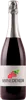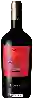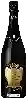
Winery VaraschinCuvée Rosé Millesimato Brut
 Sparkling wine


This wine generally goes well with appetizers and snacks, rich fish (salmon, tuna etc) or shellfish.

Food and wine pairings with Cuvée Rosé Millesimato Brut
Pairings that work perfectly with Cuvée Rosé Millesimato Brut



Original food and wine pairings with Cuvée Rosé Millesimato Brut


The Cuvée Rosé Millesimato Brut of Winery Varaschin matches generally quite well with dishes of rich fish (salmon, tuna etc), shellfish or mature and hard cheese such as recipes of raw salmon marinade with vinegars, spaghetti with clams or vegetable soup with savoy cheese.
Details and technical informations about Winery Varaschin's Cuvée Rosé Millesimato Brut.
Discover the grape variety: Monemvasia
Structured, aromatic dry whites with a pale golden colour, ample palate with preserved acidity, showing signature aromas of citrus (lemon), white flowers, yellow fruits and saline mineral notes. Also made as sweet passito styles. Grown in the Peloponnese and Cyclades, a witness to Greek viticultural heritage. Greek autochthonous white variety said to have given its name to the historic Malvasia exported across the western Mediterranean in the Middle Ages.
Last vintages of this wine
The best vintages of Cuvée Rosé Millesimato Brut from Winery Varaschin are 0, 2010
Informations about the Winery Varaschin
The Winery Varaschin is one of of the world's great estates. It offers 29 wines for sale in the of Veneto to come and discover on site or to buy online.

The wine region of Veneto
World star of Prosecco: fresh, light Glera sparklers with notes of pear, green apple and white flowers, fruity, convivial bubbles. Veronese reds from Corvina and Rondinella: light, crisp Bardolino, fruity Valpolicella, opulent, concentrated Amarone DOCG (black cherry, chocolate, raisin) from dried grapes. Mineral, almondy Soave (Garganega) whites, fresh Pinot Grigio. 97,500 ha, Italy's largest production.
The word of the wine: Cryo-extraction
This technique was very popular at the end of the 80's in Sauternes, a little less so now. The grapes are frozen before pressing, and the water transformed into ice remains in the marc, only the sugar flows out. As with the concentrators, the "cryo" can also increase bad taste and greenness.