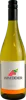
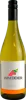
Winery Vaglio MassaMogge 30 Moscato Bianco
 White wine
In the mouth this white wine is a .
This wine generally goes well with vegetarian, appetizers and snacks or shellfish.

Taste structure of the Mogge 30 Moscato Bianco from the Winery Vaglio Massa
Light | Bold | |
Dry | Sweet | |
Soft | Acidic |
In the mouth the Mogge 30 Moscato Bianco of Winery Vaglio Massa in the region of Puglia is a .
Food and wine pairings with Mogge 30 Moscato Bianco
Pairings that work perfectly with Mogge 30 Moscato Bianco



Original food and wine pairings with Mogge 30 Moscato Bianco
The Mogge 30 Moscato Bianco of Winery Vaglio Massa matches generally quite well with dishes of shellfish, vegetarian or appetizers and snacks such as recipes of fish fondue, vegan leek and tofu quiche or pan con tomate.
Discover the grape variety: Moscato
Sweet, lightly sparkling aromatic whites with a pale golden hue, a supple palate and preserved acidity, with intense signature aromas of muscat, rose, orange blossom, white peach, candied citrus, honey, sage and explosive muscat notes. Low alcohol, indulgent profile. Absolute star of Moscato d'Asti DOCG and Asti Spumante DOCG in Piedmont. Italian name for the muscat family (Moscato Bianco = muscat blanc à petits grains), Piedmontese signature.
Informations about the Winery Vaglio Massa
The Winery Vaglio Massa is one of of the world's greatest estates. It offers 9 wines for sale in the of Salento to come and discover on site or to buy online.

The wine region of Salento
Heel of the Italian boot, sunny and generous vineyard. Fleshy reds: signature Negroamaro ("black-bitter") deep and sturdy, notes of black cherry, plum, spices and a characteristic bitter finish, star in Salice Salentino DOC. Opulent jammy Primitivo di Manduria (= Zinfandel) with notes of black fruits, chocolate and raisin. Supple Malvasia Nera.
The wine region of Puglia
Heel of the boot, 80% red vineyard, sunny and generous. Fleshy, jammy Primitivo (= Zinfandel) with notes of black cherry, plum, chocolate and spices, powerful alcohol and melted tannins, a star in Primitivo di Manduria. Deep, structured Negroamaro (black-bitter) with a bitter finish in Salice Salentino. Structured Nero di Troia, spicy Susumaniello.
The word of the wine: Sweet
Wine with a slightly sickening sweetness.