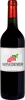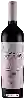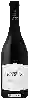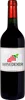
Winery Vinha das GarçasTinto
 Red wine


In the mouth this red wine is a powerful.
This wine generally goes well with poultry, beef or veal.
Taste structure of the Tinto from the Winery Vinha das Garças
Light | Bold | |
Smooth | Tannic | |
Dry | Sweet | |
Soft | Acidic |
In the mouth the Tinto of Winery Vinha das Garças in the region of Península de Setúbal is a powerful.
Food and wine pairings with Tinto
Pairings that work perfectly with Tinto



Original food and wine pairings with Tinto

The Tinto of Winery Vinha das Garças matches generally quite well with dishes of beef, pasta or veal such as recipes of grandma melanie's cassoulet, tuna lasagna or veal paupiettes with mushrooms.
Details and technical informations about Winery Vinha das Garças's Tinto.
Discover the grape variety: Albillo mayor
Very old Spanish grape variety originating and cultivated in the upper Douro Valley - Ribera del Duero province of Burgos -. It is believed to be the result of a natural cross between the white Heben and a variety that is still unknown today. It should be noted that the synonym albillo is used for many other grape varieties, such as chasselas, muscat of Alexandria or albillo de Toro, verdejo or albillo de Nava, ... and it should not be confused with torrontés riojano. You can find the Albillo mayor in Italy, Spain, Portugal, Peru, Chile, Bulgaria, ... completely unknown in France.
Last vintages of this wine
The best vintages of Tinto from Winery Vinha das Garças are 2008, 2013, 0, 2012 and 2009.
Informations about the Winery Vinha das Garças
The Winery Vinha das Garças is one of of the world's greatest estates. It offers 3 wines for sale in the of Península de Setúbal to come and discover on site or to buy online.

The wine region of Península de Setúbal
Setúbal Peninsula (also known as Península de Setúbal) is the Portuguese wine region immediately southeast of Lisbon, across the Tejo estuary. The Terroir in the area ranges from sandy coastal plains to the craggy, limestone-rich Serra Arribida hills. The area is known for its Dry red wines made from Castelão, and for its fortified wines and Sweet Moscatel de Setúbal. The wines produced here are made under three titles: two DOCs, Palmela and Setúbal, and one IGP.
The word of the wine: Malolactic fermentation
Called second fermentation or malo for short. It is the degradation (under the effect of bacteria) of the malic acid naturally present in the wine into milder, less aggressive lactic acid. Some producers or wineries refuse this operation by "blocking the malo" (by cold and adding SO2) to keep a maximum of acidity which carries the aromas and accentuates the sensation of freshness.