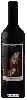
Winery Twisted RootsLodi Petite Sirah
 Red wine



In the mouth this red wine is a powerful with a nice balance between acidity and tannins.
This wine generally goes well with beef, game (deer, venison) or lamb.
Taste structure of the Lodi Petite Sirah from the Winery Twisted Roots
Light | Bold | |
Smooth | Tannic | |
Dry | Sweet | |
Soft | Acidic |
In the mouth the Lodi Petite Sirah of Winery Twisted Roots in the region of California is a powerful with a nice balance between acidity and tannins.
Wine flavors and olphactive analysis

On the nose the Lodi Petite Sirah of Winery Twisted Roots in the region of California often reveals types of flavors of black fruit.
Food and wine pairings with Lodi Petite Sirah
Pairings that work perfectly with Lodi Petite Sirah



Original food and wine pairings with Lodi Petite Sirah
The Lodi Petite Sirah of Winery Twisted Roots matches generally quite well with dishes of beef, lamb or game (deer, venison) such as recipes of tanjia, navarin of lamb or duck legs with green olives.
Details and technical informations about Winery Twisted Roots's Lodi Petite Sirah.
Discover the grape variety: Tannat meunier
This grape variety is found in southwestern France. It is a natural mutation of Tannat, so its resemblance is normal and only its very white down differentiates it. It is practically not propagated... another example of such a mutation, meunier or pinot meunier. - Synonymy: no synonym to date (for all the synonyms of grape varieties, click here!).
Last vintages of this wine
The best vintages of Lodi Petite Sirah from Winery Twisted Roots are 2012, 0
Informations about the Winery Twisted Roots
The Winery Twisted Roots is one of of the world's greatest estates. It offers 8 wines for sale in the of California to come and discover on site or to buy online.

The wine region of California
California is the largest and most important wine region in the United States. It represents the southern two-thirds (850 miles or 1,370 kilometers) of the country's west coast. (Oregon and Washington make up the rest. ) The state also spans nearly 10 degrees of latitude.
The word of the wine: Vinosity
When tasting a red wine, a pleasant sensation on the palate with a fruity and sappy character in harmony with a caressing and persistent presence of tannins.