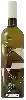
Winery TsamtsakiriAnastazia Malagouzia - Chardonnay
 White wine
This wine generally goes well with pork, vegetarian or poultry.

Food and wine pairings with Anastazia Malagouzia - Chardonnay
Pairings that work perfectly with Anastazia Malagouzia - Chardonnay



Original food and wine pairings with Anastazia Malagouzia - Chardonnay

The Anastazia Malagouzia - Chardonnay of Winery Tsamtsakiri matches generally quite well with dishes of pork, rich fish (salmon, tuna etc) or vegetarian such as recipes of the secrets of croque-monsieur, baked mackerel or quiche with bacon and gruyère cheese.
Details and technical informations about Winery Tsamtsakiri's Anastazia Malagouzia - Chardonnay.
Discover the grape variety: Chardonnay
Whites with many faces: mineral and taut at Chablis (lemon, green apple, flint), opulent and buttery at Meursault and Puligny-Montrachet (hazelnut, brioche, yellow fruits), tense and chalky in Champagne (Blanc de Blancs). Also vinified sparkling and widely exported (Sonoma, Margaret River, Casablanca). A Burgundian variety, a cross of Pinot Noir × Gouais Blanc, half-sibling of Aligoté.
Informations about the Winery Tsamtsakiri
The Winery Tsamtsakiri is one of of the world's greatest estates. It offers 8 wines for sale in the of Macedonia to come and discover on site or to buy online.

The wine region of Macedonia
Large wine region of northern Greece, 1st by volume, altitude vineyards tempered by mountain massifs. Signature Xinomavro ("acid black") as king grape: structured, complex reds with signature notes of tart cherry, dried tomato, black olive, Mediterranean herbs, leather and a mineral touch, firm tannins and long ageing — compared to Nebbiolo. Stars in PDO Naoussa, Amyndeon, Goumenissa and Rapsani. Also lively, mineral Assyrtiko, aromatic Malagousia as whites.
The word of the wine: pH
Short for "hydrogen potential", the pH is a parameter that defines whether a medium is acidic or basic. A high pH gives a soft wine, a very low pH translates into a wine that is too acidic.