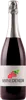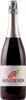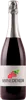
Winery Tre TorriRosato dell'Emilia Frizzante
 Sparkling wine


This wine generally goes well with

Details and technical informations about Winery Tre Torri's Rosato dell'Emilia Frizzante.
Discover the grape variety: Marselan
Supple, fruity reds with a deep robe and melted tannins, featuring aromas of blackcurrant, blackberry, plum, violet, soft spices and garrigue notes. Good consistency and short-to-medium ageing capacity. Made in blends and as a single variety in Languedoc-Roussillon (IGP Pays d'Oc) and exported massively to China where it has become an emblematic quality signature. Also in Brazil and Argentina. A Cabernet Sauvignon × Grenache cross created in 1961 by Paul Truel in Montpellier.
Last vintages of this wine
The best vintages of Rosato dell'Emilia Frizzante from Winery Tre Torri are 0
Informations about the Winery Tre Torri
The Winery Tre Torri is one of of the world's greatest estates. It offers 10 wines for sale in the of Emilia to come and discover on site or to buy online.

The wine region of Emilia
Kingdom of Lambrusco, the world's most-drunk sparkling red. Convivial, accessible sparklers from the Grasparossa (the fleshiest and most tannic), Salamino (balanced), Sorbara (pale and floral with red fruits) and Maestri varieties: ruby colour, lively foam, signature notes of cherry, raspberry, violet and flowers, fresh acidity. From dry to off-dry, perfect with Parma and Modena charcuterie. Also aromatic Malvasia and fresh Trebbiano.
The wine region of Emilia-Romagna
Kingdom of Lambrusco: fresh, fruity sparkling reds (blackberry, cherry, violet), from gourmet dry to convivial off-dry, perfect with local charcuterie. World's best-selling sparkling wine on the Emilia side (Sorbara, Grasparossa, Salamino). East, Romagna: supple fruity Sangiovese, Albana (Italy's 1st white DOCG, 1987) ample and almondy. Also red Gutturnio and white Pignoletto.
The word of the wine: Yellow wine
White wines from the Jura region aged in oak barrels without topping up for at least 6 years. A veil of yeast forms on the surface of the wine, which undergoes slow oxidation, giving it a particular taste reminiscent of nuts.