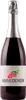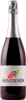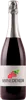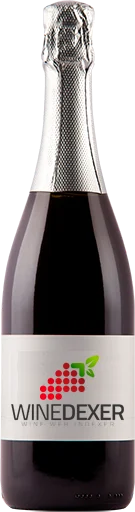
Winery Tre TorriPignoletto Frizzante
 Sparkling wine


This wine generally goes well with

Details and technical informations about Winery Tre Torri's Pignoletto Frizzante.
Discover the grape variety: Verdanel
Simple, fresh dry whites with a pale golden robe, a supple palate and preserved acidity. Understated aromas of citrus, white flowers and herbaceous notes from the South-West. Rustic, airy profile, best drunk young. Preserved in INRAE variety collections, it bears witness to the pre-phylloxera ampelographic diversity of the South-West and is studied as a heritage grape. Rare French white grape, once cultivated in the South-West, now nearly extinct.
Last vintages of this wine
The best vintages of Pignoletto Frizzante from Winery Tre Torri are 2019, 0
Informations about the Winery Tre Torri
The Winery Tre Torri is one of of the world's greatest estates. It offers 10 wines for sale in the of Emilia-Romagna to come and discover on site or to buy online.

The wine region of Emilia-Romagna
Kingdom of Lambrusco: fresh, fruity sparkling reds (blackberry, cherry, violet), from gourmet dry to convivial off-dry, perfect with local charcuterie. World's best-selling sparkling wine on the Emilia side (Sorbara, Grasparossa, Salamino). East, Romagna: supple fruity Sangiovese, Albana (Italy's 1st white DOCG, 1987) ample and almondy. Also red Gutturnio and white Pignoletto.
The word of the wine: Bourbe
Solid elements suspended in the must. See settling.