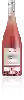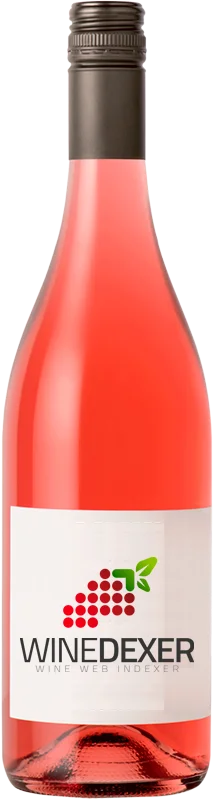
Domaine du TraginerBanyuls Rosé
 Pink wine
This wine generally goes well with vegetarian, appetizers and snacks or lean fish.
Food and wine pairings with Banyuls Rosé
Pairings that work perfectly with Banyuls Rosé



Original food and wine pairings with Banyuls Rosé


The Banyuls Rosé of Domaine du Traginer matches generally quite well with dishes of pasta, vegetarian or appetizers and snacks such as recipes of spaghetti with homemade pesto, quiche with bacon and gruyère cheese or aperitif skewers edam/basilic/dry apricot.
Details and technical informations about Domaine du Traginer's Banyuls Rosé.
Discover the grape variety: Merlot noir
This grape variety most certainly originates from the Bordeaux region and is registered in the Official Catalogue of vine varieties, list A1. According to genetic analyses carried out in Montpellier (Hérault), it is the result of a cross between the magdeleine noire des Charentes and the cabernet franc. It should also be noted that it is the half-brother of the côt or malbec and that it is not the black form of the white merlot, but its resemblance reminds us that it is indeed a descendant.
Informations about the Domaine du Traginer
The Domaine du Traginer is one of of the world's great estates. It offers 17 wines for sale in the of Banyuls to come and discover on site or to buy online.

The wine region of Banyuls
Banyuls wines come from the South-eastern Part of Roussillon, in the south of France, in the lower Pyrenees, a few kilometres from the Spanish border. These naturally Sweet wines are consumed both as an aperitif and as a dessert. They come in a wide range of hues, from GoldenGreen (Banyuls Blanc) to Amber (Banyuls Ambré) to the intense garnet of the standard Banyuls Rouge. Unusually among the natural sweet wines of France, all Banyuls wines are made primarily from Grenache grapes of various colors.
The wine region of Languedoc-Roussillon
Languedoc (formerly Coteaux du Languedoc) is a key appellation used in the Languedoc-Roussillon wine region of southern France. It covers Dry table wines of all three colors (red, white and rosé) from the entire region, but leaves Sweet and Sparkling wines to other more specialized appellations. About 75% of all Languedoc wines are red, with the remaining 25% split roughly down the middle between whites and rosés. The appellation covers most of the Languedoc region and almost a third of all the vineyards in France.
The word of the wine: Silky
Said of a caressing wine with extremely fine tannins.