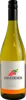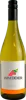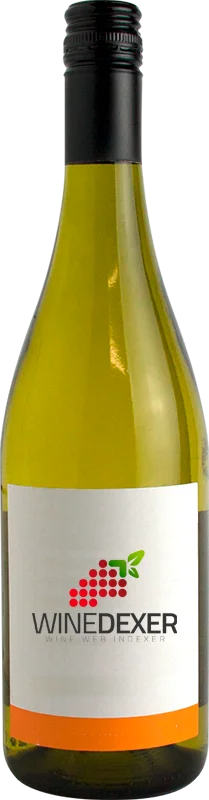
Winery Torreón de ParedesReserva Costera Sauvignon Blanc
 White wine


In the mouth this white wine is a with a nice freshness.
This wine generally goes well with vegetarian, shellfish or goat cheese.
Taste structure of the Reserva Costera Sauvignon Blanc from the Winery Torreón de Paredes
Light | Bold | |
Dry | Sweet | |
Soft | Acidic |
In the mouth the Reserva Costera Sauvignon Blanc of Winery Torreón de Paredes in the region of Central Valley is a with a nice freshness.
Wine flavors and olphactive analysis

Food and wine pairings with Reserva Costera Sauvignon Blanc
Pairings that work perfectly with Reserva Costera Sauvignon Blanc



Original food and wine pairings with Reserva Costera Sauvignon Blanc
The Reserva Costera Sauvignon Blanc of Winery Torreón de Paredes matches generally quite well with dishes of shellfish, vegetarian or goat cheese such as recipes of seafood and mushroom quiche, quiche with bacon and gruyère cheese or pork tenderloin with goat cheese.
Details and technical informations about Winery Torreón de Paredes's Reserva Costera Sauvignon Blanc.
Discover the grape variety: Pagadebiti
The white Pagadebiti is a grape variety originating from Italy. It produces a variety of grape specially used for the elaboration of wine. It is rare to find this grape to eat on our tables. The white Pagadebiti can be found in several vineyards: South-West, Cognac, Bordeaux, Provence & Corsica, Rhone Valley, Loire Valley, Savoie & Bugey, Beaujolais.
Last vintages of this wine
The best vintages of Reserva Costera Sauvignon Blanc from Winery Torreón de Paredes are 2016, 0
Informations about the Winery Torreón de Paredes
The Winery Torreón de Paredes is one of of the world's great estates. It offers 39 wines for sale in the of Cachapoal Valley to come and discover on site or to buy online.

The wine region of Cachapoal Valley
The wine region of Cachapoal Valley is located in the region of Rapel Valley of Central Valley of Chile. Wineries and vineyards like the Viña Vik Winery or the Domaine Lapostolle produce mainly wines red, white and pink. The most planted grape varieties in the region of Cachapoal Valley are Cabernet-Sauvignon, Carmenère and Merlot, they are then used in wines in blends or as a single variety. On the nose of Cachapoal Valley often reveals types of flavors of cherry, fig or ripe blackberries and sometimes also flavors of milk chocolate, espresso or baking spice.
The wine region of Central Valley
The Central Valley (El Valle Central) of Chile is one of the most important wine-producing areas in South America in terms of Volume. It is also one of the largest wine regions, stretching from the Maipo Valley (just south of Santiago) to the southern end of the Maule Valley. This is a distance of almost 250 miles (400km) and covers a number of Climate types. The Central Valley wine region is easily (and often) confused with the geological Central Valley, which runs north–south for more than 620 miles (1000km) between the Pacific Coastal Ranges and the lower Andes.
The word of the wine: INAO glass
Glass adapted to wine tasting, created in the 1970s by the Institut national des appellations d'origine. At the time, it had the advantage of offering a standardised tool to all tasters. It is characterized by a wide base that allows for good ventilation and a narrow mouth (opening of the glass) to concentrate the aromas. Many high-performance glasses have been created based on this model.