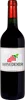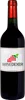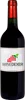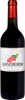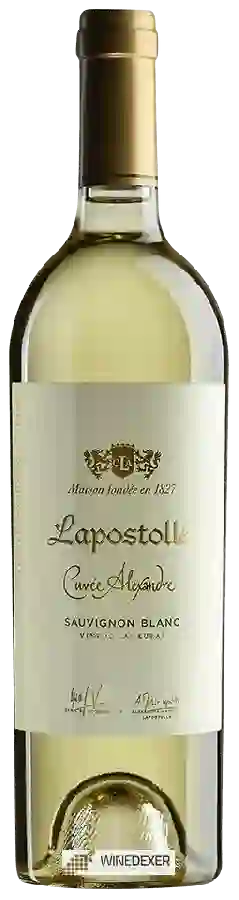
Winery LapostolleCuvée Alexandre Sauvignon Blanc (Las Kuras Vineyard)
 White wine


In the mouth this white wine is a powerful with a nice freshness.
This wine generally goes well with vegetarian, shellfish or goat cheese.
The Cuvée Alexandre Sauvignon Blanc (Las Kuras Vineyard) of the Winery Lapostolle is in the top 80 of wines of Cachapoal Valley.
Taste structure of the Cuvée Alexandre Sauvignon Blanc (Las Kuras Vineyard) from the Winery Lapostolle
Light | Bold | |
Dry | Sweet | |
Soft | Acidic |
In the mouth the Cuvée Alexandre Sauvignon Blanc (Las Kuras Vineyard) of Winery Lapostolle in the region of Central Valley is a powerful with a nice freshness.
Wine flavors and olphactive analysis





On the nose the Cuvée Alexandre Sauvignon Blanc (Las Kuras Vineyard) of Winery Lapostolle in the region of Central Valley often reveals types of flavors of non oak, earth or microbio and sometimes also flavors of vegetal, oak or tree fruit.
Food and wine pairings with Cuvée Alexandre Sauvignon Blanc (Las Kuras Vineyard)
Pairings that work perfectly with Cuvée Alexandre Sauvignon Blanc (Las Kuras Vineyard)



Original food and wine pairings with Cuvée Alexandre Sauvignon Blanc (Las Kuras Vineyard)
The Cuvée Alexandre Sauvignon Blanc (Las Kuras Vineyard) of Winery Lapostolle matches generally quite well with dishes of shellfish, vegetarian or goat cheese such as recipes of fondue with lao sukiyaki sauce (laos), tuna, pepper and tomato quiche or pan-fried ham, goat cheese and onion.
Details and technical informations about Winery Lapostolle's Cuvée Alexandre Sauvignon Blanc (Las Kuras Vineyard).
Discover the grape variety: Tannat
Tannat is a red grape variety from Béarn which belongs to the cotoïdes family. Present in several vineyards of France, it occupies nearly 3,000 ha. Its leaves are reddish with tan patches. Its bunches are either of normal size or larger. Its berries have a thin skin and are rounded. Its foliage has a swarthy appearance. This variety must be pruned long because it is vigorous. It likes sandy and gravelly soils. Tannat is often exposed to leafhoppers and mites. It is also somewhat susceptible to grey rot. It has 11 approved clones, including 474, 717 and 794. Once mature, this variety produces acidic, fruity, tannic, acidic and full-bodied wines. Various aromas emerge, notably tobacco, cinnamon and exotic wood. Tannat is rarely used alone. It is combined with iron-servadou to obtain a fruitier taste or with cabernet sauvignon to be more rounded.
Last vintages of this wine

The best vintages of Cuvée Alexandre Sauvignon Blanc (Las Kuras Vineyard) from Winery Lapostolle are 2014, 2016, 0, 2015 and 2013.
Informations about the Winery Lapostolle
The Winery Lapostolle is one of of the world's greatest estates. It offers 67 wines for sale in the of Cachapoal Valley to come and discover on site or to buy online.

The wine region of Cachapoal Valley
The wine region of Cachapoal Valley is located in the region of Rapel Valley of Central Valley of Chile. Wineries and vineyards like the Viña Vik Winery or the Domaine Lapostolle produce mainly wines red, white and pink. The most planted grape varieties in the region of Cachapoal Valley are Cabernet-Sauvignon, Carmenère and Merlot, they are then used in wines in blends or as a single variety. On the nose of Cachapoal Valley often reveals types of flavors of cherry, fig or ripe blackberries and sometimes also flavors of milk chocolate, espresso or baking spice.
The wine region of Central Valley
The Central Valley (El Valle Central) of Chile is one of the most important wine-producing areas in South America in terms of Volume. It is also one of the largest wine regions, stretching from the Maipo Valley (just south of Santiago) to the southern end of the Maule Valley. This is a distance of almost 250 miles (400km) and covers a number of Climate types. The Central Valley wine region is easily (and often) confused with the geological Central Valley, which runs north–south for more than 620 miles (1000km) between the Pacific Coastal Ranges and the lower Andes.
The word of the wine: Cuvée
Often followed by a name that allows for recognition and identification, the word "cuvée" designates a specific wine within the production of a winemaker. This wine is characterized by a specific grape variety, a type of maturation and an organoleptic profile. All the vintages of a domain constitute a range.