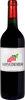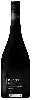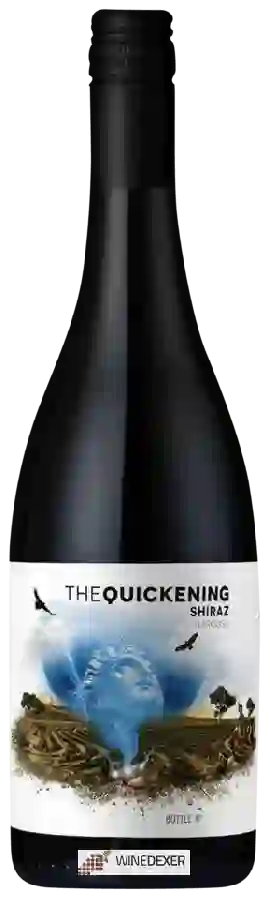
Winery ThistledownThe Quickening Shiraz
 Red wine


In the mouth this red wine is a powerful with a lot of tannins present in the mouth.
This wine generally goes well with poultry, beef or game (deer, venison).

Taste structure of the The Quickening Shiraz from the Winery Thistledown
Light | Bold | |
Smooth | Tannic | |
Dry | Sweet | |
Soft | Acidic |
In the mouth the The Quickening Shiraz of Winery Thistledown in the region of Australie du Sud is a powerful with a lot of tannins present in the mouth.
Wine flavors and olphactive analysis


On the nose the The Quickening Shiraz of Winery Thistledown in the region of Australie du Sud often reveals types of flavors of oak, black fruit.
Food and wine pairings with The Quickening Shiraz
Pairings that work perfectly with The Quickening Shiraz



Original food and wine pairings with The Quickening Shiraz

The The Quickening Shiraz of Winery Thistledown matches generally quite well with dishes of beef, lamb or game (deer, venison) such as recipes of beef bourguignon with tomato, couscous of meat and fish or venison leg in casserole.
Details and technical informations about Winery Thistledown's The Quickening Shiraz.
Discover the grape variety: Colobel
Intensely colored, teinturier reds with a near-black dark red robe, signature red pulp, firm tannins and a dense palate, with simple aromas of black fruits (blackberry, blackcurrant), spices and balsamic notes. Used in blending to boost color. Grown mainly in the United States (Missouri, Pennsylvania) and marginally in France. French black teinturier hybrid created by Albert Seibel (Seibel 8357).
Last vintages of this wine

The best vintages of The Quickening Shiraz from Winery Thistledown are 0, 2018
Informations about the Winery Thistledown
The Winery Thistledown is one of of the world's great estates. It offers 33 wines for sale in the of Barossa to come and discover on site or to buy online.

The wine region of Barossa
World icon of Australian Shiraz (~50% of plantings). Powerful, sun-filled reds with signature notes of candied blackberry, black plum, dark chocolate, liquorice, leather and sweet spices (pepper, clove), round tannins and generous opulence. Old vines among the world's oldest (Shiraz from 1843, Turkey Flat). Also fruity, sun-filled Grenache, firm Mataro (Mourvèdre), dense Cabernet Sauvignon and ample Sémillon.
The wine region of Australie du Sud
Cradle of the great Australian Shiraz: powerful, sun-drenched reds with notes of blackberry, candied plum, pepper, chocolate and eucalyptus, ample tannins and vibrant fruit (Barossa, McLaren Vale). Firm, minty Cabernet Sauvignon on Coonawarra (terra rossa). Dry, lemony Riesling from Clare and Eden Valley, straight and taut. Fresh Sauvignon and Chardonnay from Adelaide Hills.
The word of the wine: Yeast
Micro-organisms at the base of all fermentative processes. A wide variety of yeasts live and thrive naturally in the vineyard, provided that treatments do not destroy them. Unfortunately, their replacement by laboratory-selected yeasts is often the order of the day and contributes to the standardization of the wine. Yeasts are indeed involved in the development of certain aromas.