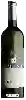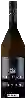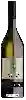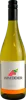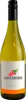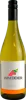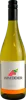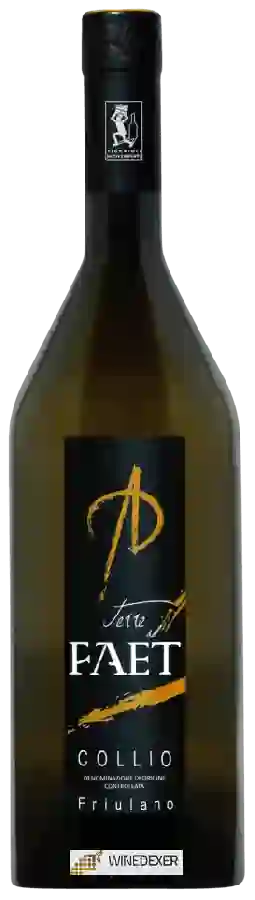
Winery Terre del FaetFriulano
 White wine


In the mouth this white wine is a powerful with a nice freshness.
This wine generally goes well with lean fish, shellfish or mature and hard cheese.
The Friulano of the Winery Terre del Faet is in the top 40 of wines of Collio.
Taste structure of the Friulano from the Winery Terre del Faet
Light | Bold | |
Dry | Sweet | |
Soft | Acidic |
In the mouth the Friulano of Winery Terre del Faet in the region of Friuli-Venezia Giulia is a powerful with a nice freshness.
Wine flavors and olphactive analysis



On the nose the Friulano of Winery Terre del Faet in the region of Friuli-Venezia Giulia often reveals types of flavors of earth, microbio or oak.
Food and wine pairings with Friulano
Pairings that work perfectly with Friulano



Original food and wine pairings with Friulano


The Friulano of Winery Terre del Faet matches generally quite well with dishes of pasta, shellfish or mature and hard cheese such as recipes of express seafood spaghetti, cataplana with seafood or tartiflette with 3 cheeses.
Details and technical informations about Winery Terre del Faet's Friulano.
Discover the grape variety: Cornalin du Valais
Very old vine cultivated in the Swiss Valais, resulting from a natural crossing between the petit rouge(*) and the mayolet. It is the father of red humagne, also called cornalin d'Aoste, the grandfather of durize or petit rouge du Valais or rouge de Fully and a relative of goron. - Synonymy: old red of Valais, red of the country in Switzerland, landroter (for all the synonyms of the grape varieties, click here!). - Description: medium-sized bunches, cylindrical, winged, compact, strong medium-sized peduncles with little lignification; medium-sized berries, spherical or short elliptical, skin of a beautiful bluish black colour with a lot of bloom. The foliage turns completely red in the fall. - Production potential: early budding in the year. Capricious and difficult variety. Particularly likes the limestone soils of well exposed hillsides that warm up quickly enough, lean and well drained. Semi-erect bearing, vigorous with irregular production. Resists well to winter frosts. Susceptible to the main diseases, especially to oidium and grey rot. Also susceptible to magnesium deficiency and stalk dehydration. Maturity: 3rd early season
Last vintages of this wine
The best vintages of Friulano from Winery Terre del Faet are 2015, 2018, 2017, 2016 and 0.
Informations about the Winery Terre del Faet
The Winery Terre del Faet is one of of the world's greatest estates. It offers 5 wines for sale in the of Collio to come and discover on site or to buy online.

The wine region of Collio
The wine region of Collio is located in the region of Frioul-Vénétie Julienne of Italy. Wineries and vineyards like the Domaine Villa Russiz or the Domaine Venica & Venica produce mainly wines white, red and sparkling. The most planted grape varieties in the region of Collio are Ribolla gialla, Chardonnay and Merlot, they are then used in wines in blends or as a single variety. On the nose of Collio often reveals types of flavors of tropical fruit, melon or white peach and sometimes also flavors of lemon, coconut or lime.
The wine region of Friuli-Venezia Giulia
Friuli-Venezia Giulia is an autonomous region in Italy, located in the extreme Northeast of the country, bordered by Austria and Slovenia to the north and east respectively. The eponymous wine region has four DOCGs, twelve DOCs and three PGIs and is best known for its white wine production. 77% of the region's wines are white, one of the highest proportions of any Italian region. The region's wines are distinctly different from other Italian wines in that they are made from non-traditional Grape varieties such as Sauvignon blanc, Riesling and Pinot blanc, as well as typically Italian varieties such as pinot gris and picolit.
The word of the wine: Maceration
Prolonged contact and exchange between the juice and the grape solids, especially the skin. Not to be confused with the time of fermentation, which follows maceration. The juice becomes loaded with colouring matter and tannins, and acquires aromas. For a rosé, the maceration is short so that the colour does not "rise" too much. For white wines too, a "pellicular maceration" can be practised, which allows the wine to acquire more fat.