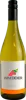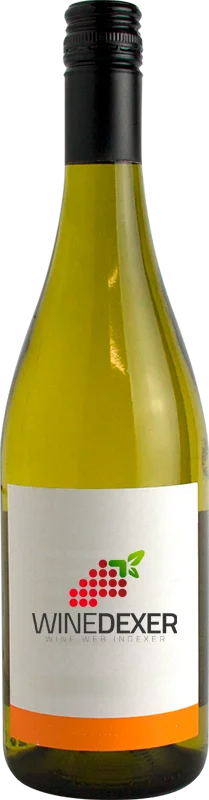
Winery Swiss-MuraDeuxiéme Sauvignon Blanc
 White wine


This wine generally goes well with vegetarian, rich fish (salmon, tuna etc) or shellfish.

Wine flavors and olphactive analysis

On the nose the Deuxiéme Sauvignon Blanc of Winery Swiss-Mura in the region of Nagano-ken often reveals types of flavors of earth, tree fruit or citrus fruit.
Food and wine pairings with Deuxiéme Sauvignon Blanc
Pairings that work perfectly with Deuxiéme Sauvignon Blanc



Original food and wine pairings with Deuxiéme Sauvignon Blanc
The Deuxiéme Sauvignon Blanc of Winery Swiss-Mura matches generally quite well with dishes of rich fish (salmon, tuna etc), shellfish or vegetarian such as recipes of salmon burger, natural breton lobster or quiche without pastry.
Details and technical informations about Winery Swiss-Mura's Deuxiéme Sauvignon Blanc.
Discover the grape variety: Klevener de Heiligenstein
Aromatic, refined dry whites with a pale golden colour, a full palate and preserved acidity, showing signature aromas of discreet muscat notes (rose), white flowers, white-fleshed fruits (pear) and delicate spicy notes. A distinctive aromatic profile, more restrained than Gewurztraminer. Preserved under a specific Alsatian appellation around Heiligenstein (Bas-Rhin), producing identity-driven wines. Rare Alsatian white variety, identical to the Jurassian Savagnin Rose.
Last vintages of this wine

The best vintages of Deuxiéme Sauvignon Blanc from Winery Swiss-Mura are 2018, 2017, 2016
Informations about the Winery Swiss-Mura
The Winery Swiss-Mura is one of of the world's great estates. It offers 19 wines for sale in the of Nagano-ken to come and discover on site or to buy online.

The wine region of Nagano-ken
Alpine wine prefecture of central Japan (Honshu), the 2nd national region, high-altitude vineyards (600-900 m). Signature Merlot of Kikyogahara: supple, precise reds with signature notes of plum, cherry, sweet herbs, cedar and a cocoa touch, round tannins and elegant freshness — rivalling the Bordeaux wines. Renowned broad, mineral Chardonnay, fine and silky Pinot Noir. Also historic hybrid grapes (Concord, Niagara).
The word of the wine: Vintage (champagne)
It is a champagne made from a single harvest. In principle, we only vintage the great years: 1988, 1990, 1995, 1996... We find more often, now, the very good 2002, and the 2004, a little short.